
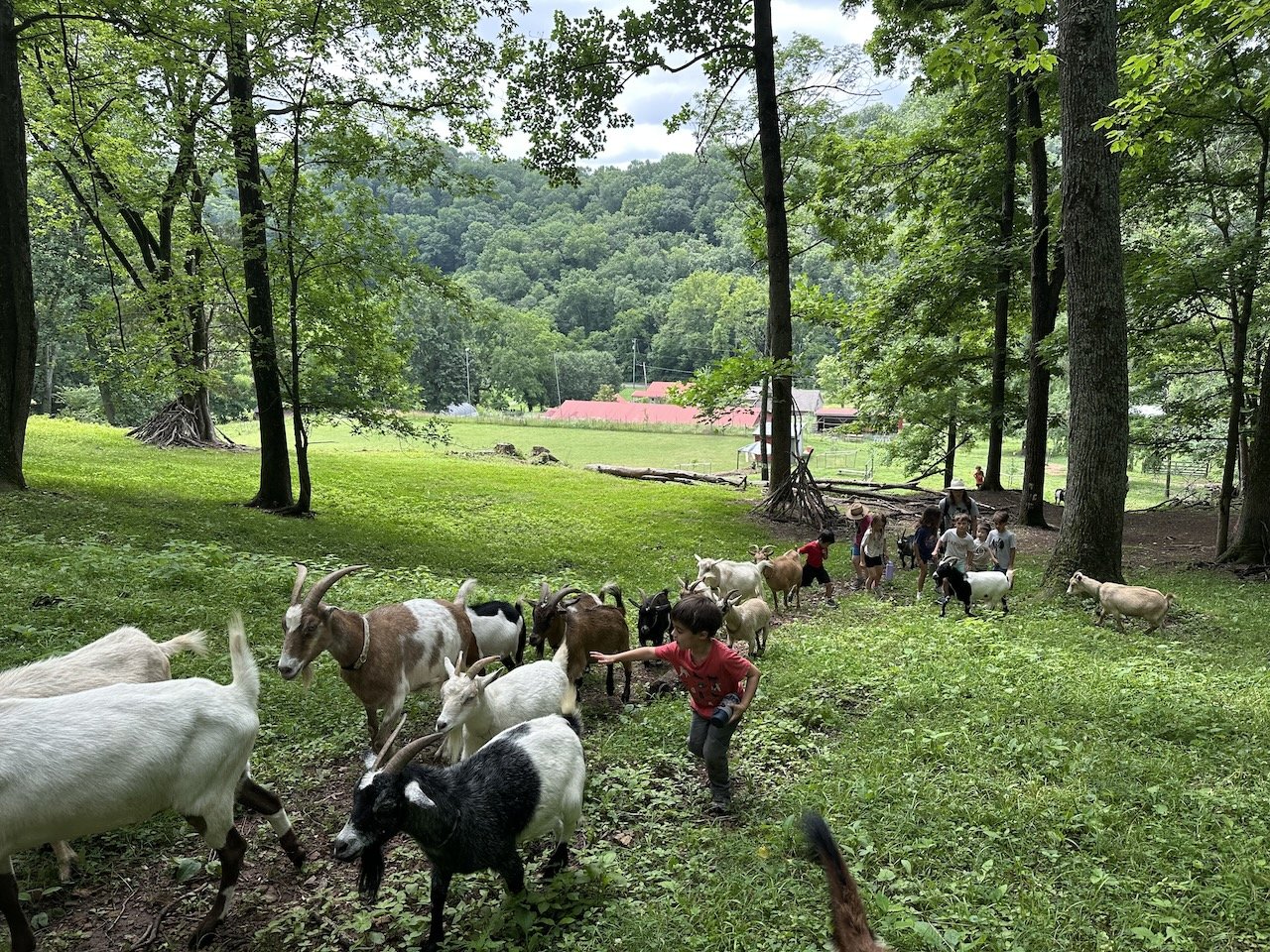
We are looking to hire a Farm Hand to begin March 2026
Required qualifications
Dependable and consistent (animals rely on you daily)
Comfortable with physical work and outdoor conditions
Can follow checklists and standards for cleanliness and safety
Observant and proactive communicator (reports issues early)
Basic comfort with hand tools; willingness to learn
Familiarity with fencing, basic repairs, and routine maintenance
Preferred qualifications
Experience with goats and chickens
Carpentry
Experience with mowing equipment
Gardening support experience (weeding, mulching, basic planting help)
Ability to transport animals for special events or vet care

Farm hand Role summary
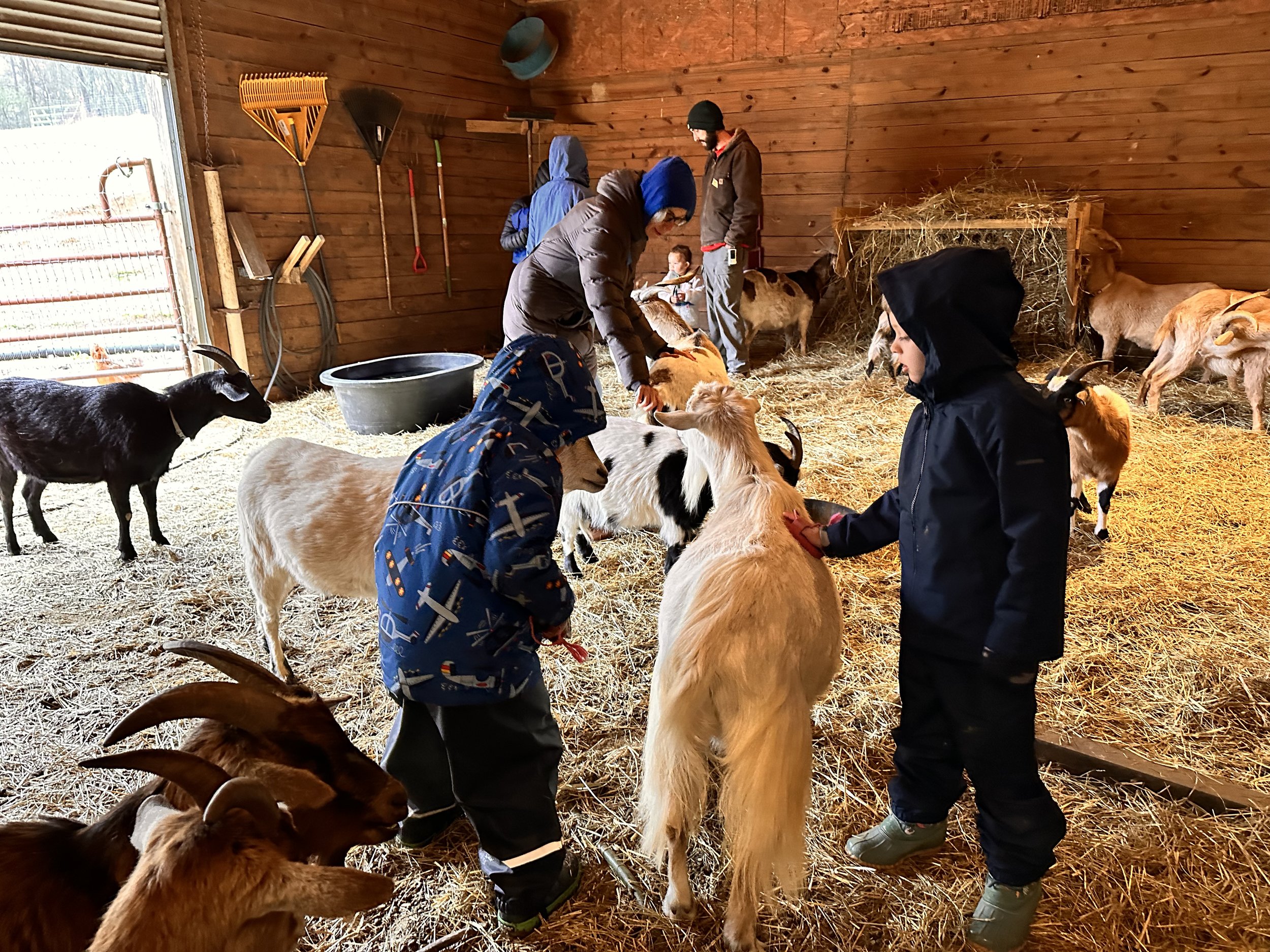
You’ll be responsible for the daily care of chickens and goats, plus weekly upkeep of the barn, coop, and grounds so the farm stays safe, clean, stocked, and functional. This role is hands-on and varies week to week: feed and water, cleaning and composting, purchasing, organizing and stocking supplies, mowing and weeding, fence and gates repair, pest monitoring, and seasonal projects like weatherproofing the coop and preparing the high tunnel for planting.
-
Daily responsibilities (especially animal care)
Weekly rhythms (barn maintenance, trash/recycling, mowing, stocking)
Occasional seasonal pushes (hay ordering, coop winterizing, high tunnel work)
-
Chickens
Assist in collecting and washing eggs
Replenish feed and replace water
Clean floor; compost droppings
Refresh nesting box hay
Identify/assist with sick chicken care
Goats
Rinse and replenish water buckets
Provide minerals and supplements as directed (vitamin B12, etc.)
Check for injuries and parasites; escalate concerns to Elle
Provide enrichment (hikes past top gate, treats, handling/socialization)
Create a program of goat training and grooming
Support scheduled care tasks: vaccinations, hoof clipping, weighing
Assist with vet decisions/transport as directed by Elle
-
Regularly check and replenish goat & chicken feed levels
Keep minerals/supplements stocked (goat minerals, chicken calcium, electrolytes, B12, etc.)
Shop for feed and farm supplies as assigned
Keep the feed room clean, organized, and “inventory-ready”
-
Barn maintenance / upkeep (weekly)
Keep barn hallway/breezeway clear, open, clean
Organize tools, hardware, and supplies; keep storage intentional
Clean goat tables and troughs
Reduce dust/cobwebs on surfaces, doors, ceilings
Keep wood storage orderly
Chicken coop maintenance (1–2x/week)
Clean roosts, nesting boxes, and coop floor
Site appearance & safety
Keep barn, coop, and driveways safe and tidy
Remove litter/weeds from driveways and common areas
Store materials properly (nothing “lying around”) with labels
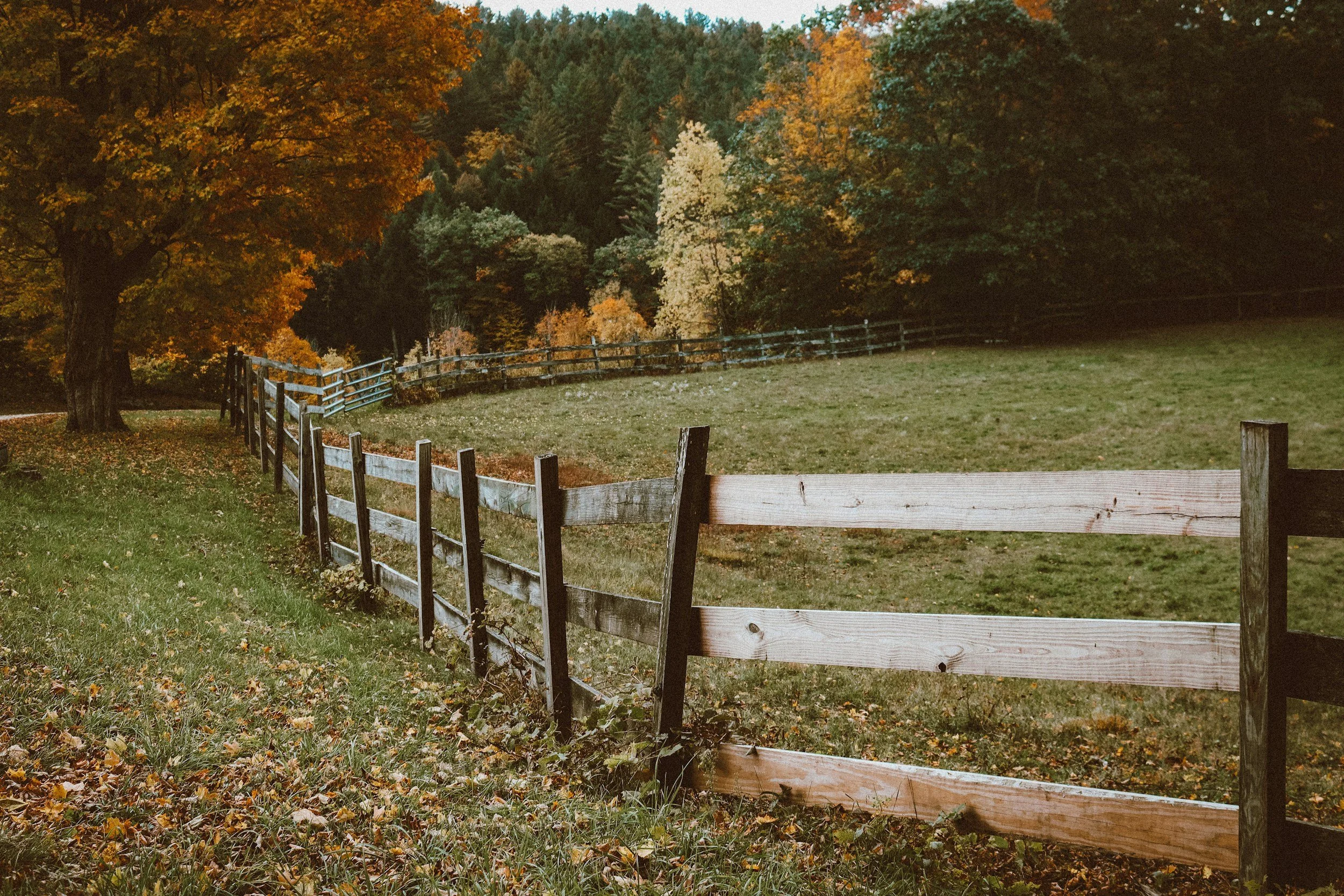
Take care of the existing fences and gates and build new ones as needed
-
Mowing (weekly or every other week in growing seasons)
Keep field grass short
Maintain paths: front yard/carport routes, exploratorium area, garden paths, chicken yard
Weeding support
Assist gardener with weeding
Remove shiso from grazing areas
Monitor for poisonous/nuisance plants and remove safely
Mulch mission
Maintain on-hand mulch supply
Create/maintain mulch pile areas
Build/maintain contacts for mulch sources
Prevent mushroom growth by drying/moving mulch as needed
Move mulch to needed areas
-
Chicken coop winterizing (due before first frost; target end of November)
Install plastic sheeting across back roof strip and across the front/door
Secure with thin wood strips to withstand wind
High tunnel maintenance (ready to plant by March)
Safety restoration and rebuilding when damaged
Mulch, weed inside, clear outside, reroute/secure watering tubes (Mar–Apr timeline)
Fall hay ordering (begin July 15; due Aug 31, 2026, again in December and February-March)
Clear hay storage area
Coordinate ordering/delivery (vendor contact per farm)
Prep supplies to keep hay dry (barn lime, baking soda, tarps, pallets)
-
Monitor and report rats/mice activity; support control plan
Watch for insect threats (tomato hornworm, beetles, yellow jackets/wasps)
Alert immediately to nests or urgent infestations
-
Bring barn trash to road can
Bring recycling down to sort/store
Take recycling to centers as needed.
-
Animals first. Safety always.
Clean, organized spaces (feed room, breezeway, tools) are part of the job—not “extra.”
“See it, solve it (or report it).” No silent failures.
