Homeschool Naturalist
Stepping into an all-outdoor paradise and the captivating world of natural science, we invite you to forge a personal connection with life.

overview
Tuesdays, and Thursdays
Flexible Enrollment: Choose one or two days per week.
Hours: 9:00am to 2:00pm.
Location: Overall Creek Arboretum
Parking at 7512 Charlotte Pike, Nashville TN 37209
Email admin@anewleafschool.org for more information.



Why an Arboretum?
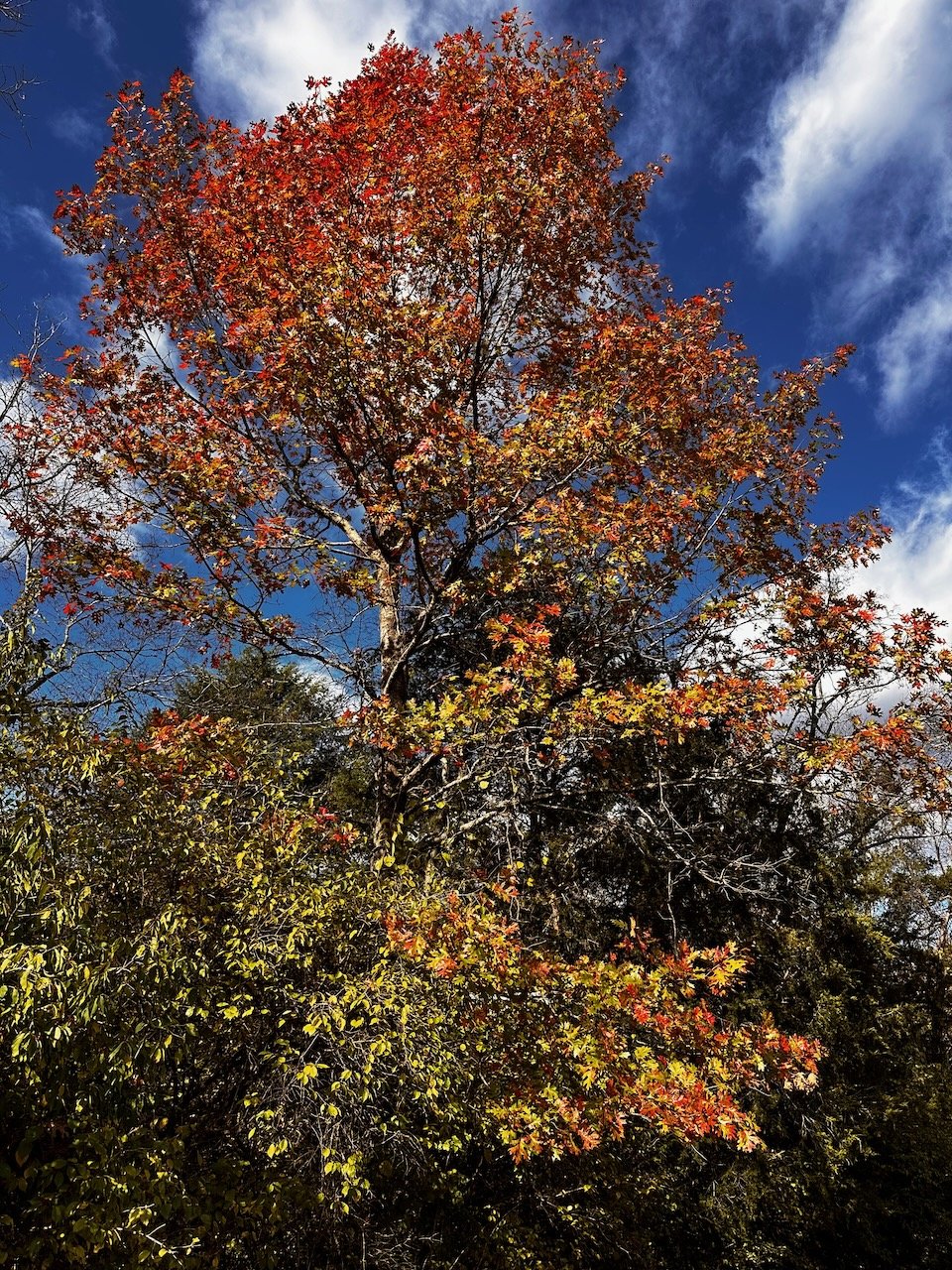
An arboretum is a living collection of trees and woody plants that are intentionally cultivated for education, conservation, scientific study, and enjoyment. It serves as an outdoor classroom where children observe seasonal changes, understand ecological relationships, and develop a deeper connection to the natural world.
Our program gives children the opportunity to help build an arboretum, food forest, and gardens while exploring the natural history of the land through hands-on discovery and stewardship.
By helping establish an arboretum, children are not only learning about conservation—they are contributing to a legacy that will provide beauty, biodiversity, food, and educational opportunities for generations to come.


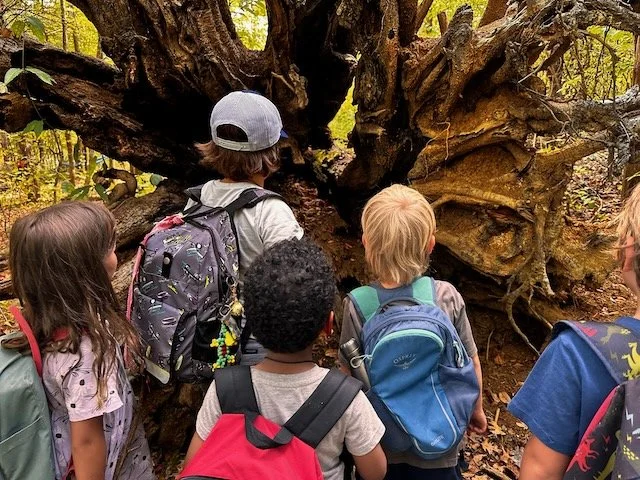
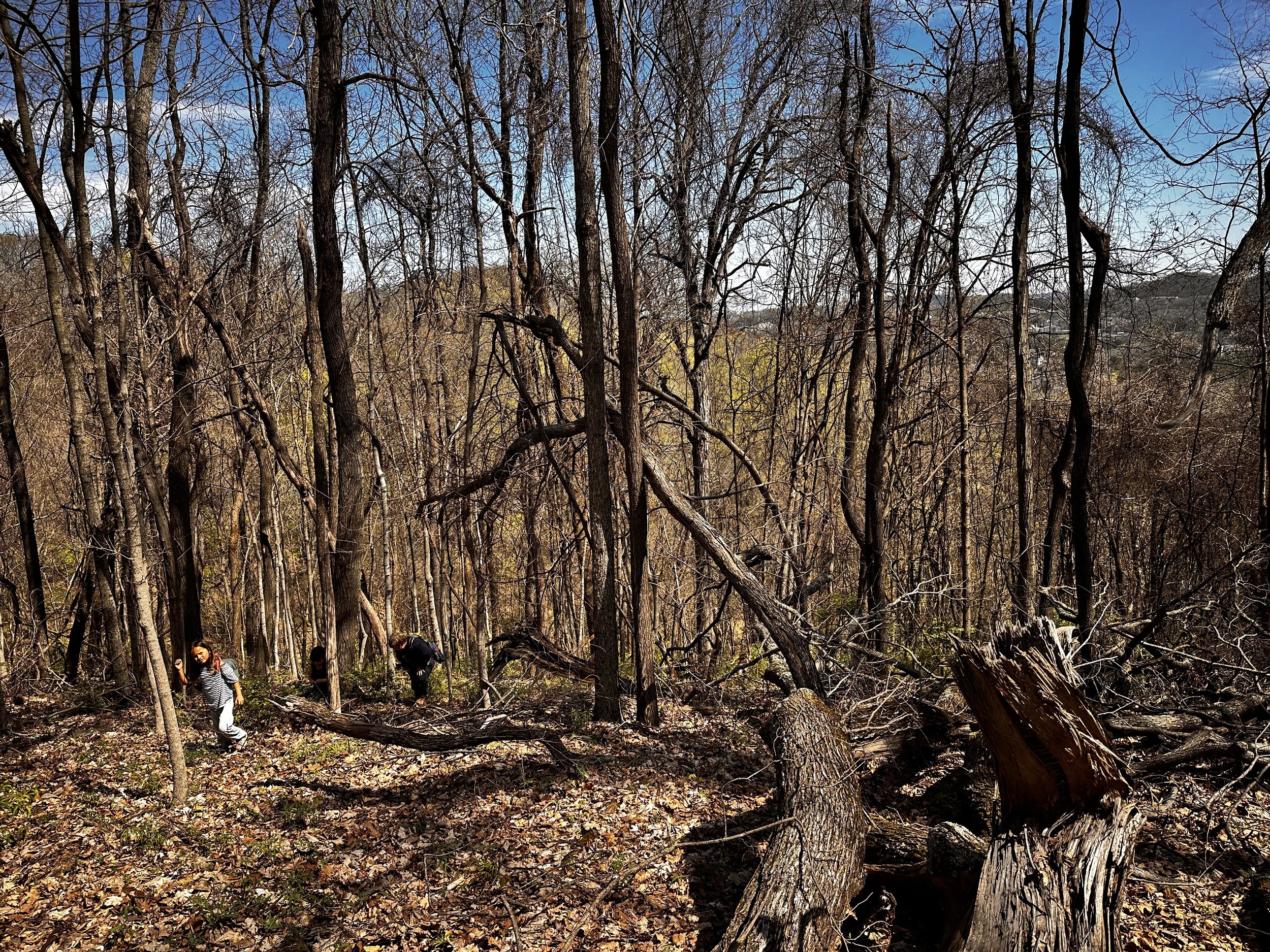
Our Homeschool Naturalist Program invites children to explore, investigate, and connect with each other in the natural world through hands-on outdoor learning. Students become scientists, explorers, artists, and stewards of the environment as they develop observation skills, ecological understanding, practical outdoor abilities, and a lifelong appreciation for nature.
Through guided adventures, field investigations, creative projects, and outdoor challenges, participants learn to identify local plants and wildlife, understand ecosystem relationships, build traditional outdoor skills, and engage in meaningful environmental stewardship. Every experience encourages curiosity, critical thinking, confidence, and a deeper connection to the communities where we belong.
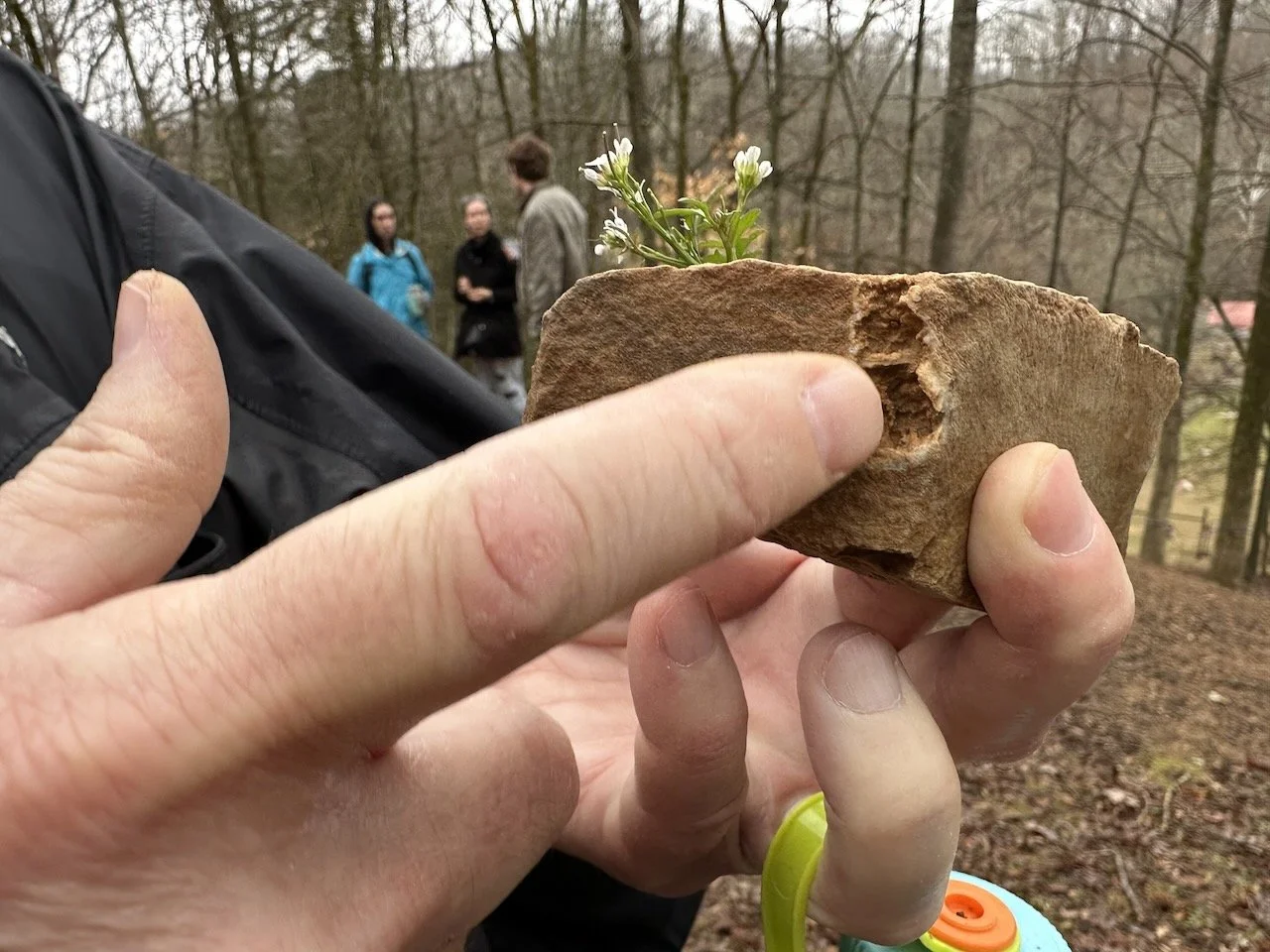

Natural History & Wildlife Studies
Forest and Plant Exploration
Tree identification
Native plant gardening
Vegetable gardening
Botany studies
Foraging
Bird and Mammal Investigations
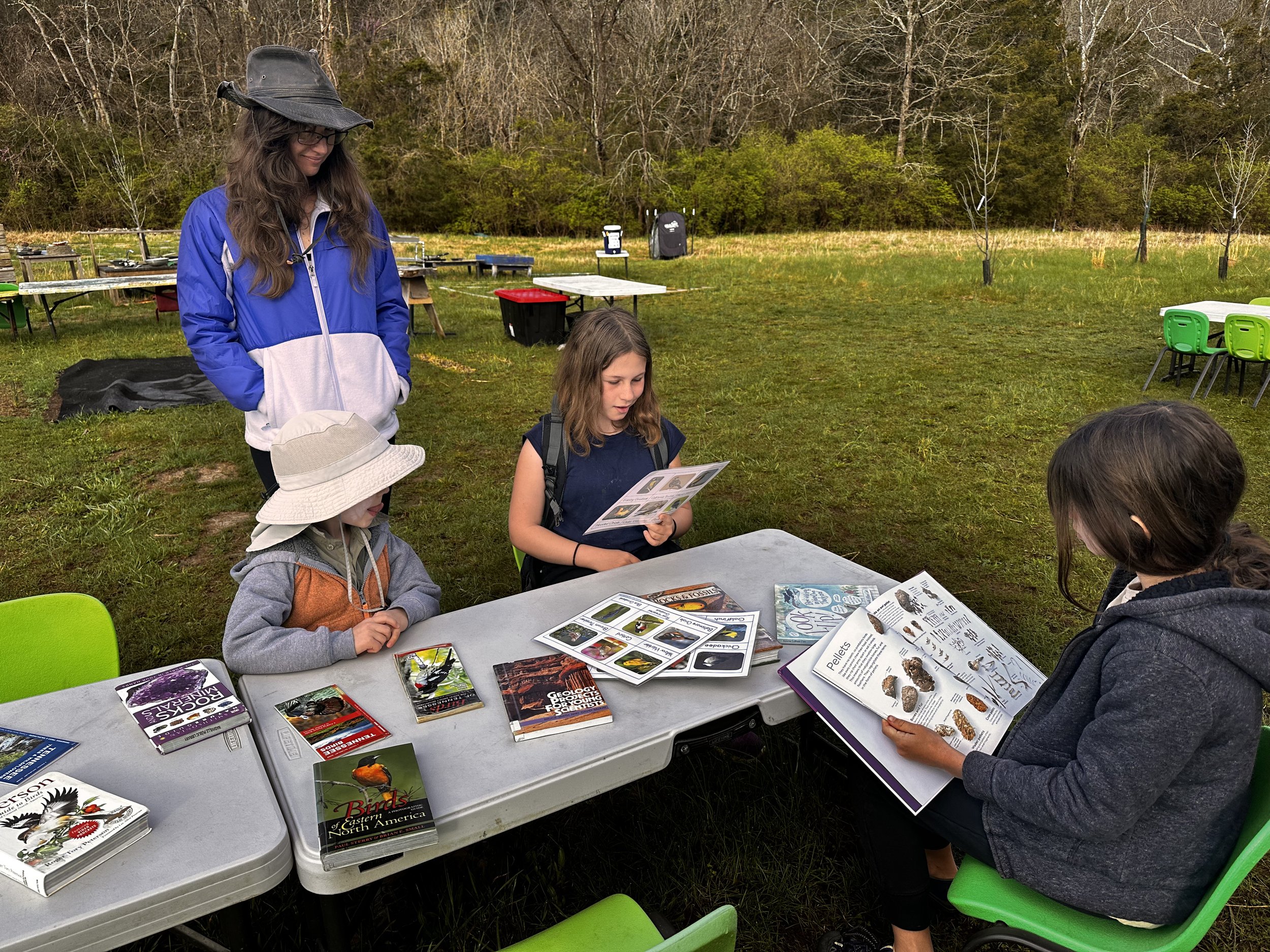
Birdwatching
Mammal detectives
Living scavenger hunts
Reptile, Amphibian & Insect Studies
Herpetofauna discoveries
Entomological investigations
Living scavenger hunts
Ecology & Environmental Science
Ecosystems and Ecological Relationships
Ecological relationships
Creek ecosystems
Habitat investigations
Food webs and biodiversity studies
Earth Science
Geology
Fossil hunts
Meteorology (weather and climate studies)

Exploration & Outdoor Adventure
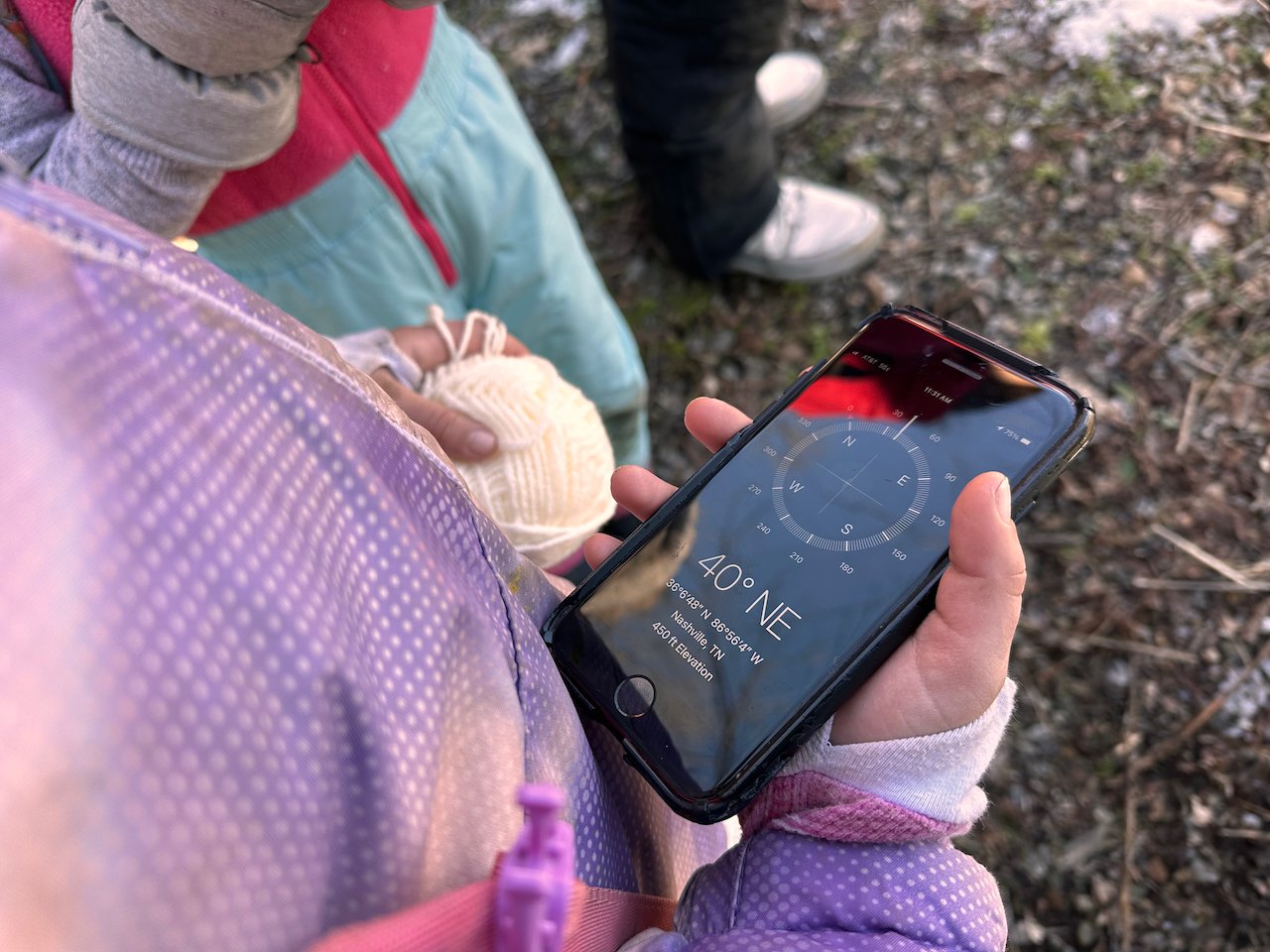
Navigation and Discovery
Trail blazing
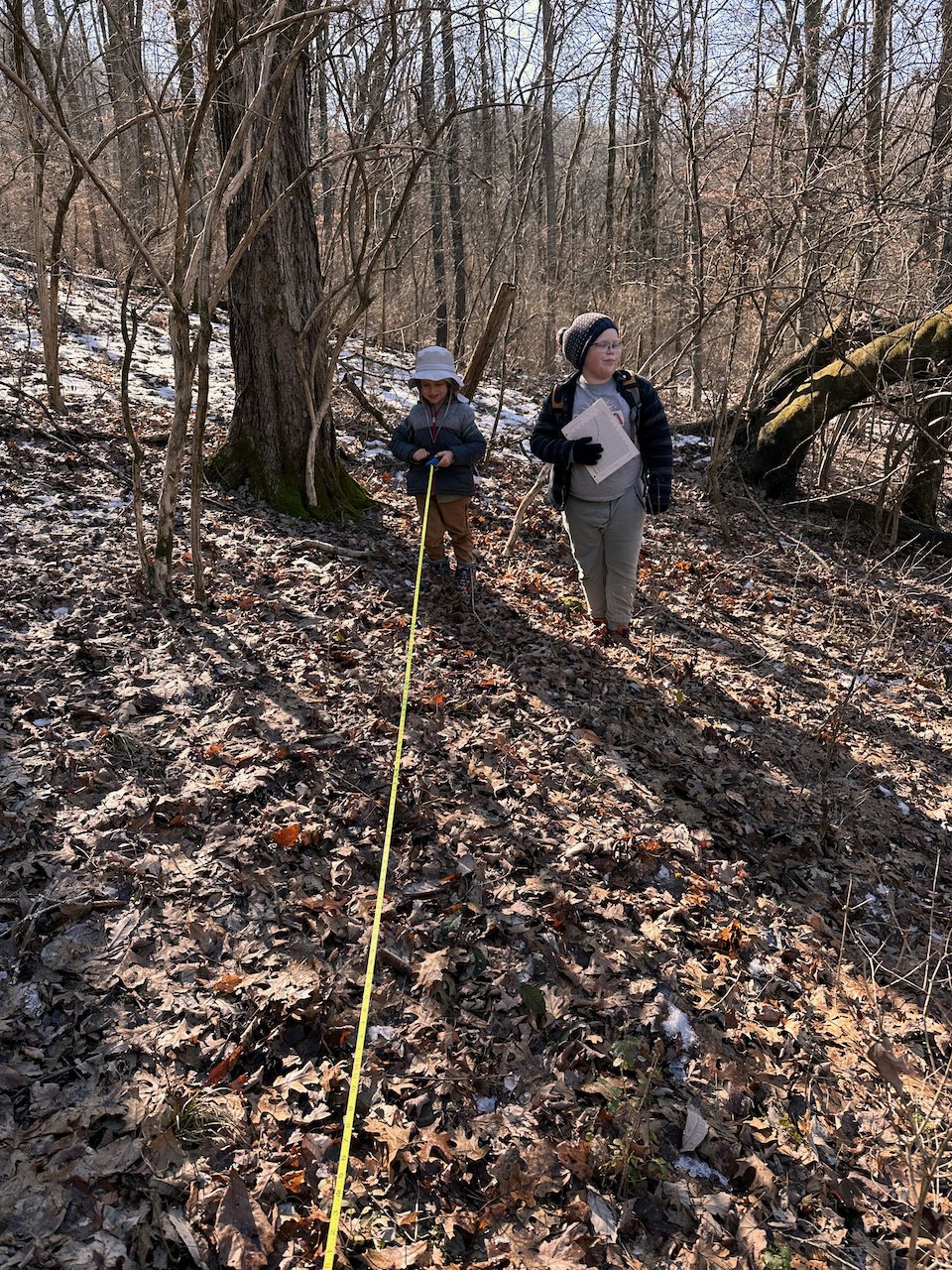
Map making and orientation
Nature exploration challenges
Outdoor Games and Physical Challenges
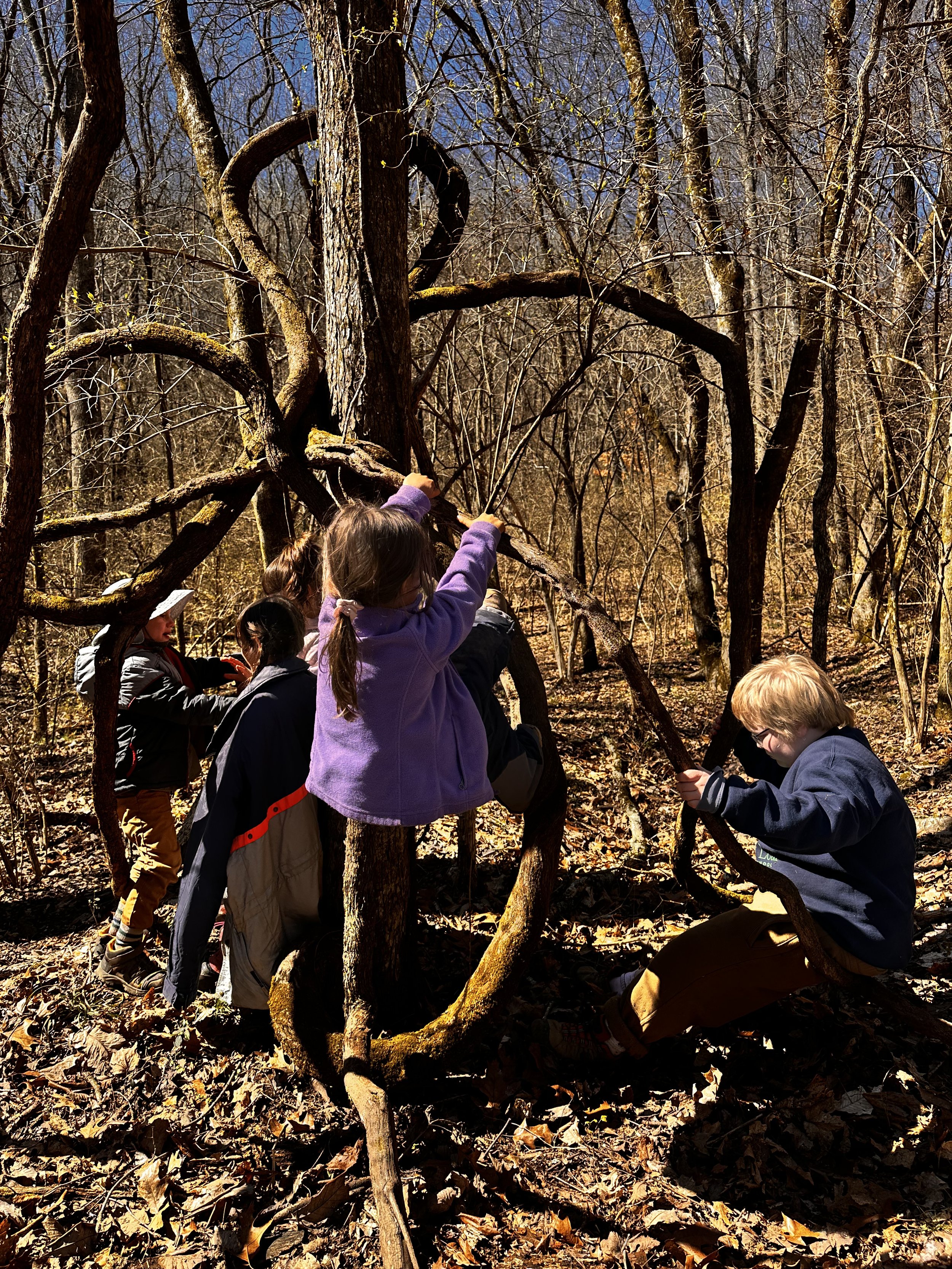
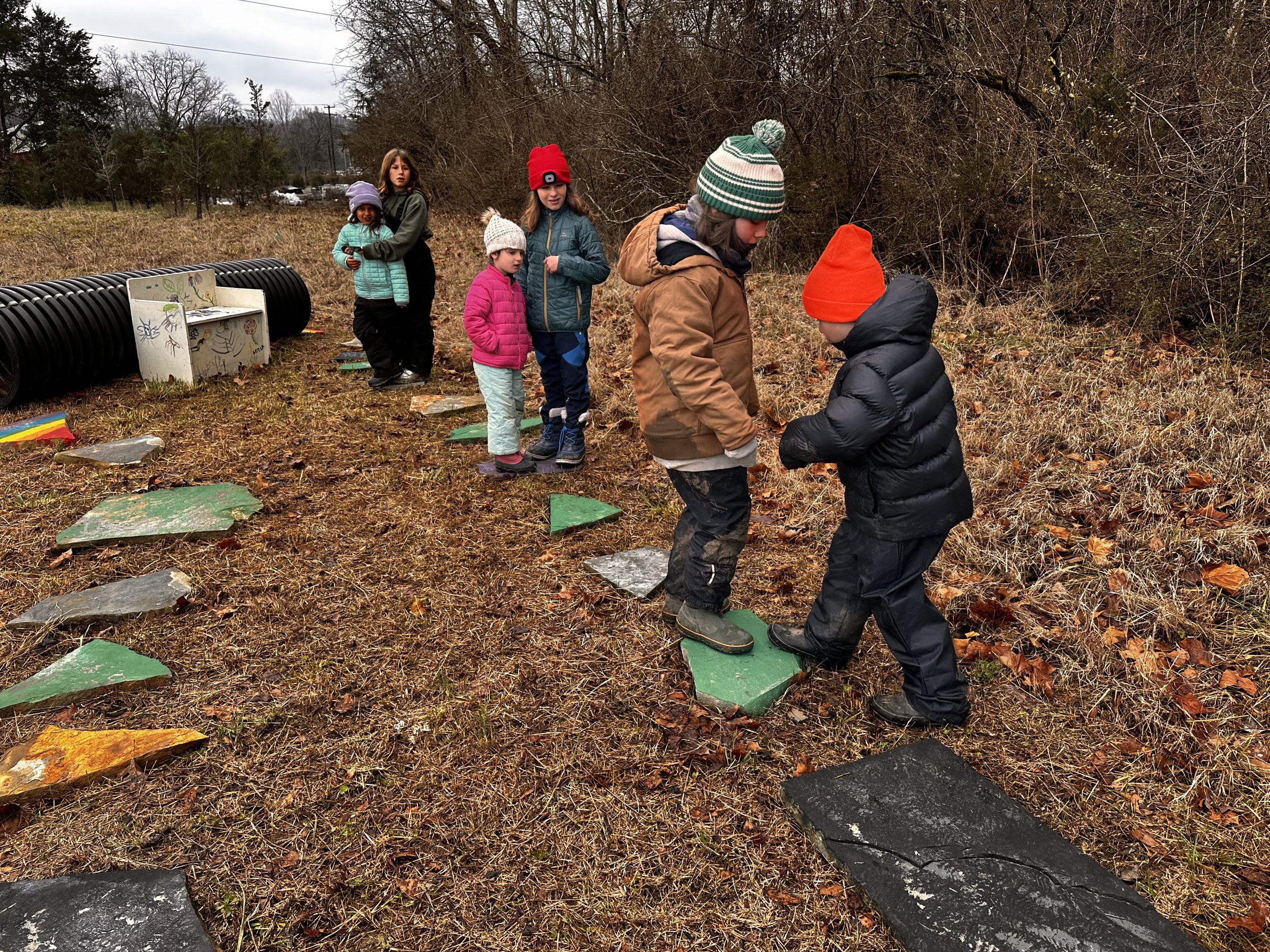
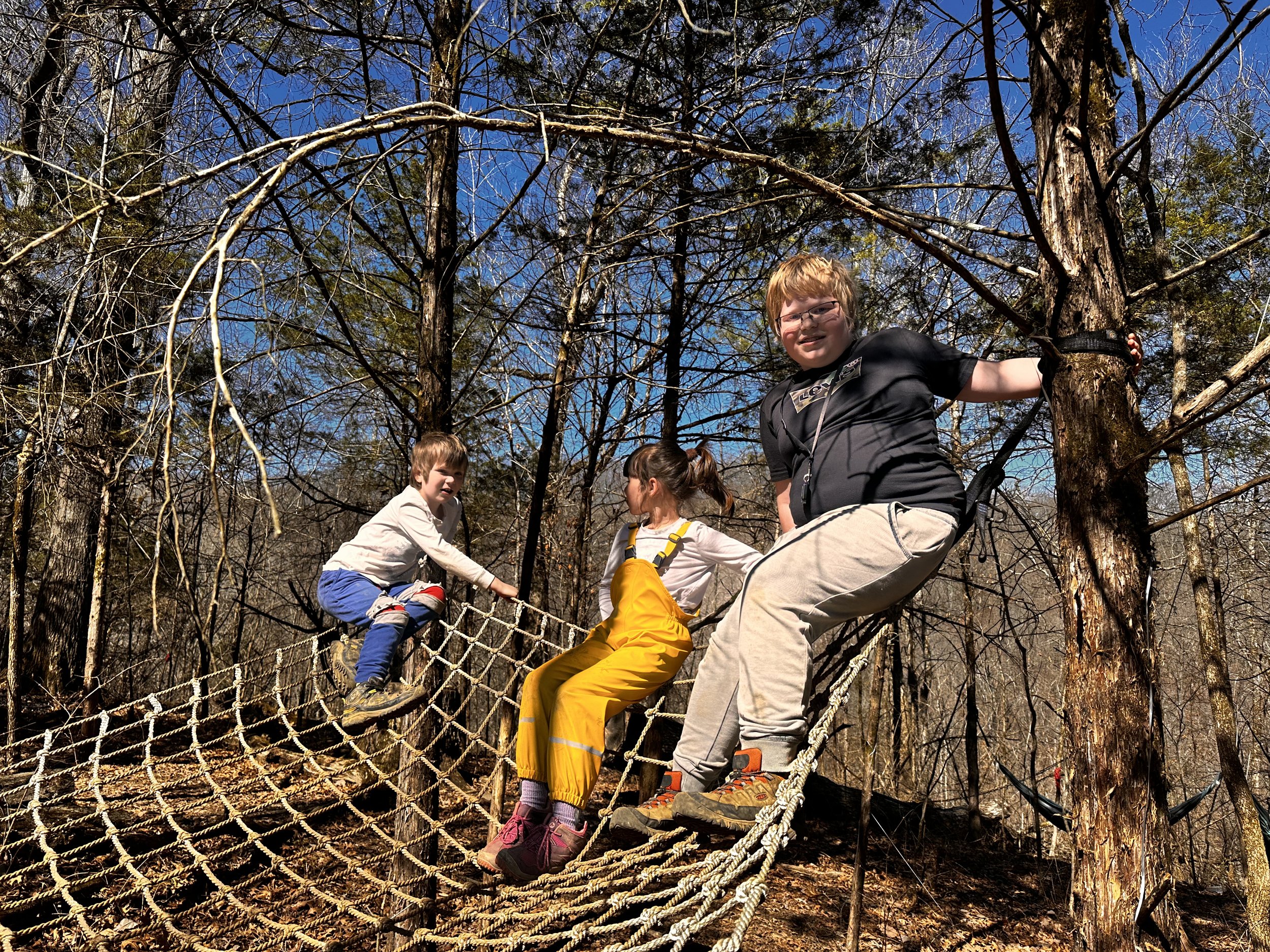
Obstacle courses
Team-building challenges
Outdoor games
Traditional Outdoor & Survival Skills
Wilderness Skills
Survival skills
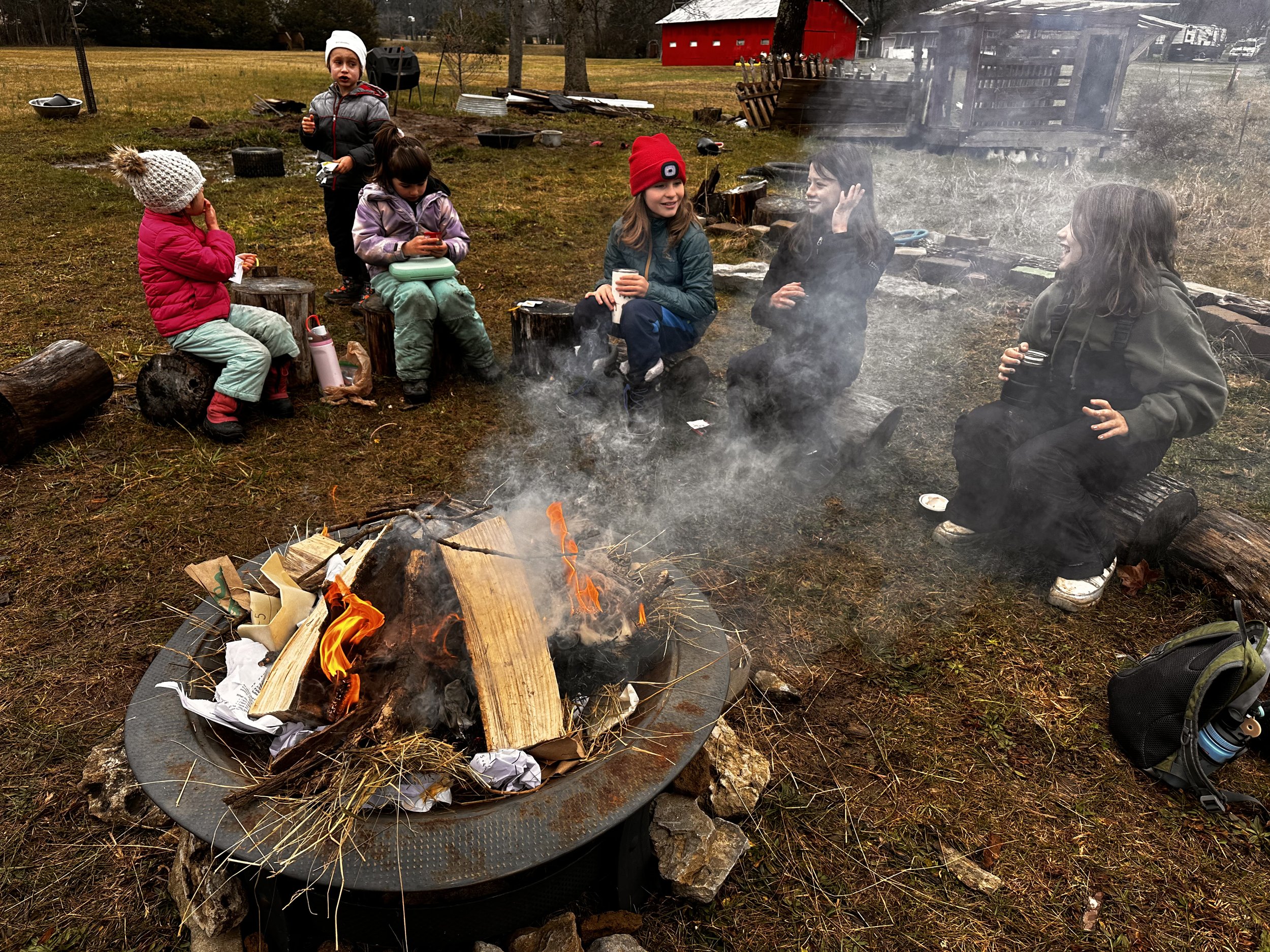
Fire building
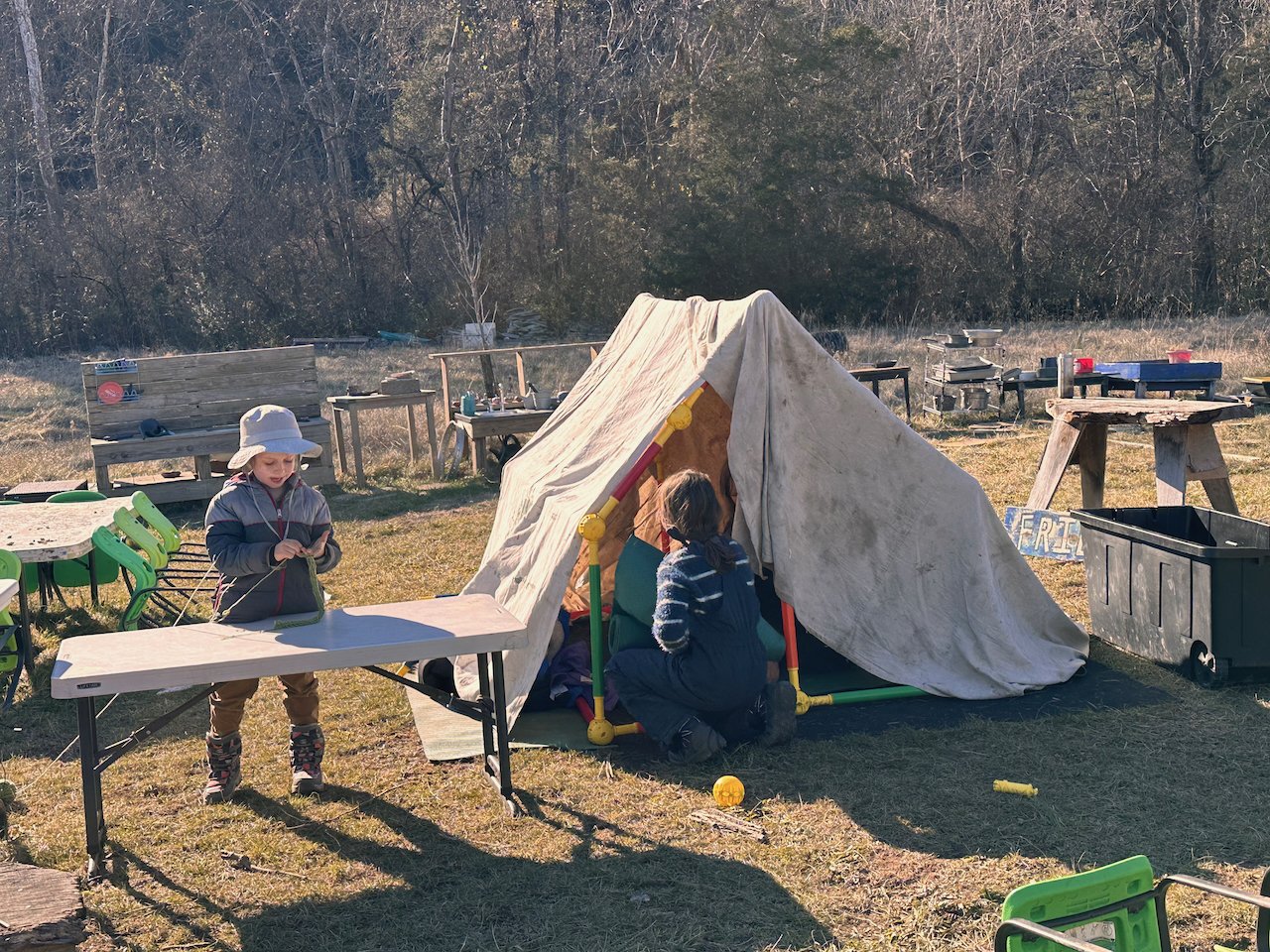
Shelter and resource awareness
Traditional Craftsmanship
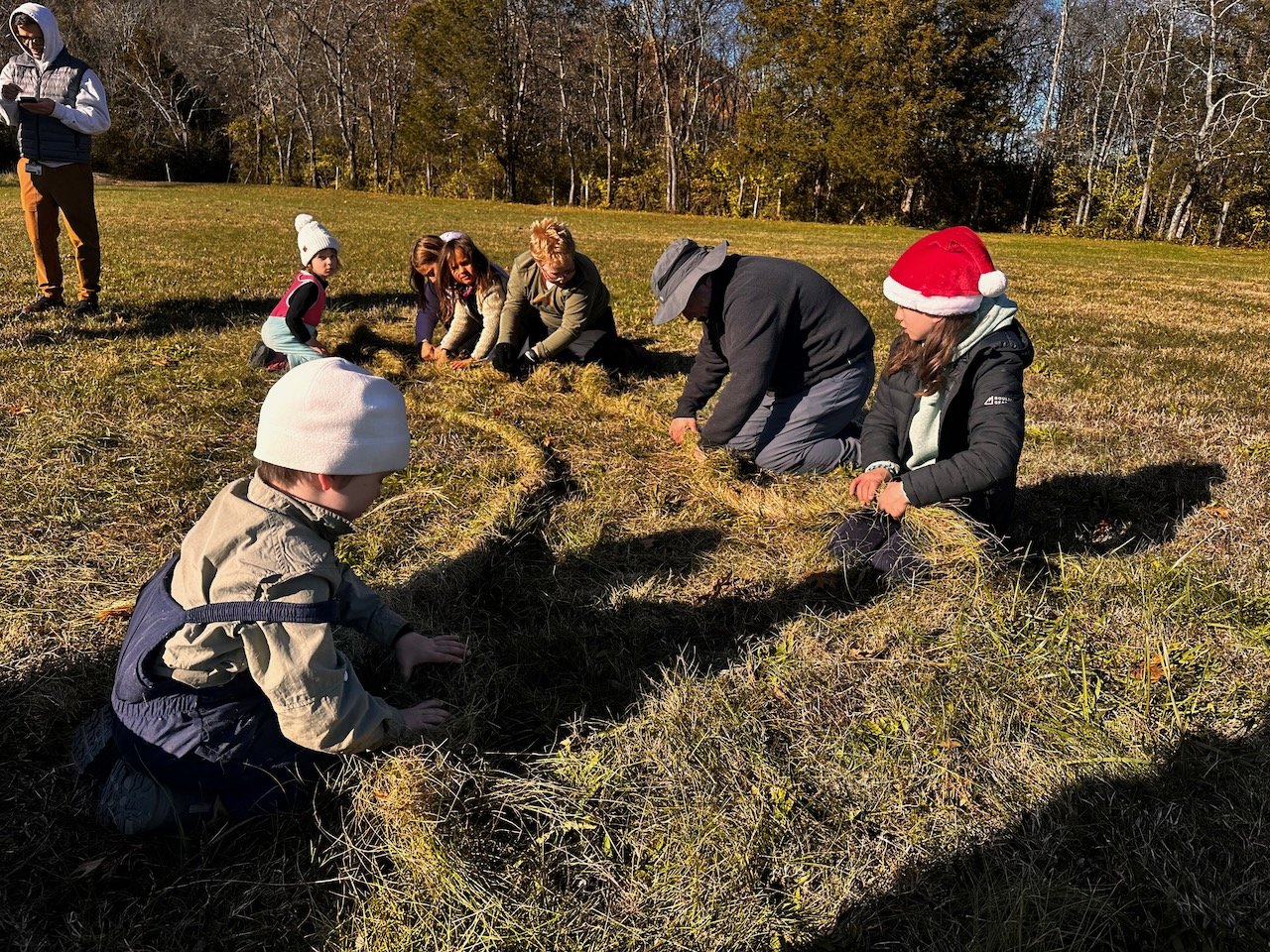
Traditional techniques for making fences
Rope making
Primitive and heritage skills
Nature Documentation & Research
Field Science
Photography
Nature journaling
Making museum collections
Specimen observation and classification
Citizen Science & Investigation
Wildlife tracking
Data collection
Scientific observation techniques
Nature Arts & Creativity
Environmental Art
Installation arts
Nature sculptures
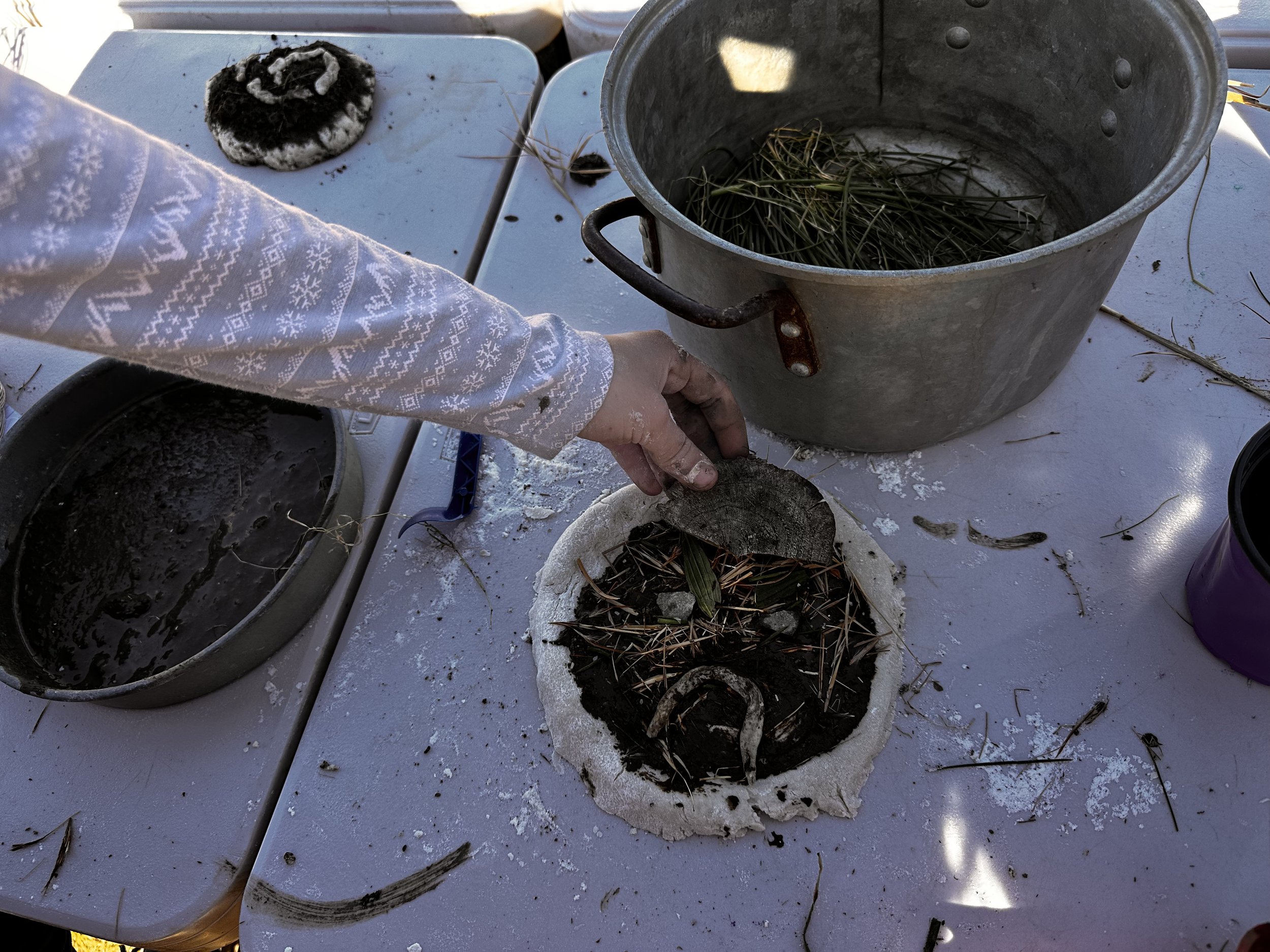
Creative projects inspired by the natural world

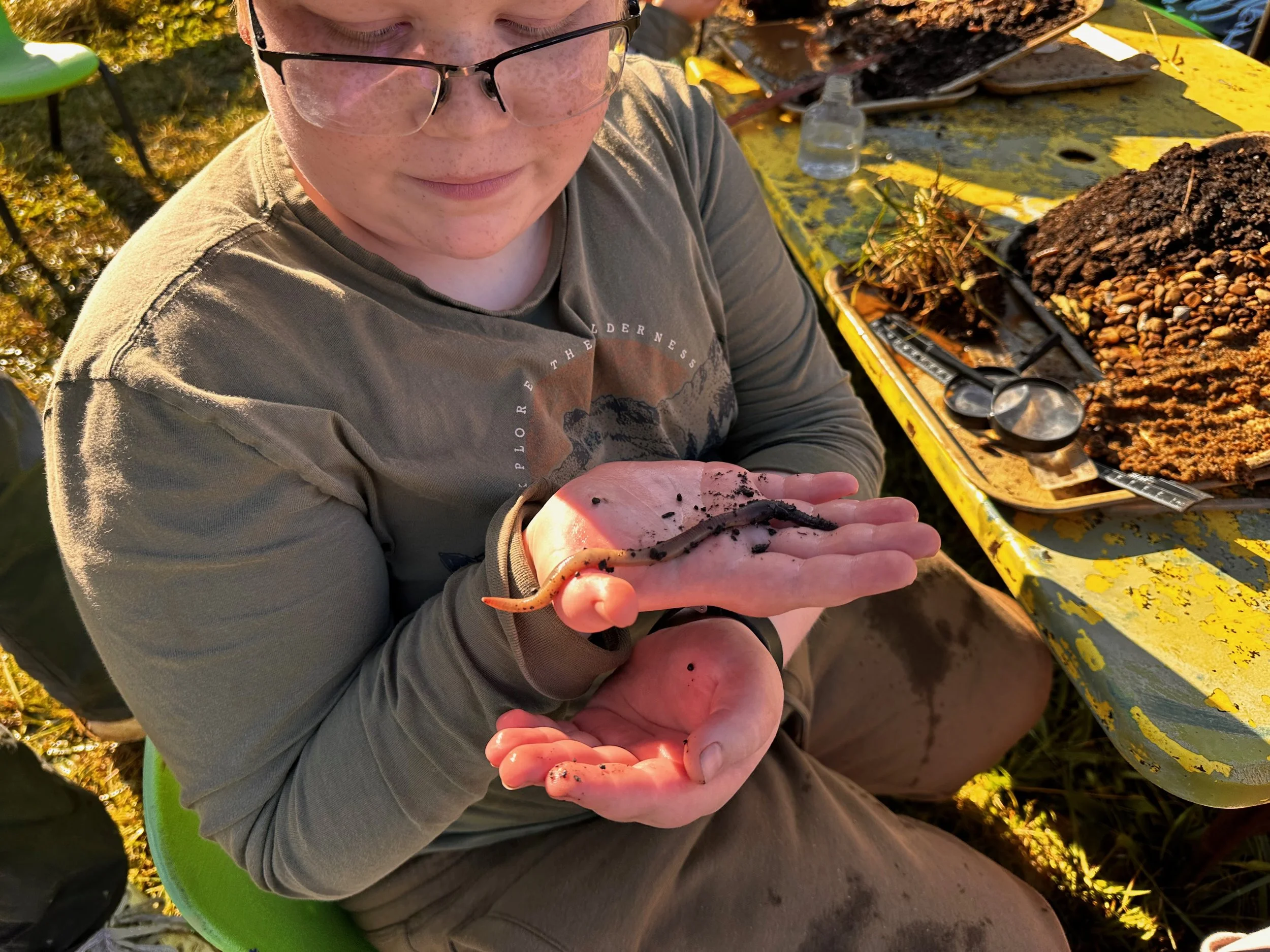

The Living Lab
Each day, the forest becomes our living laboratory, where hands-on experiences. The day flows like this:
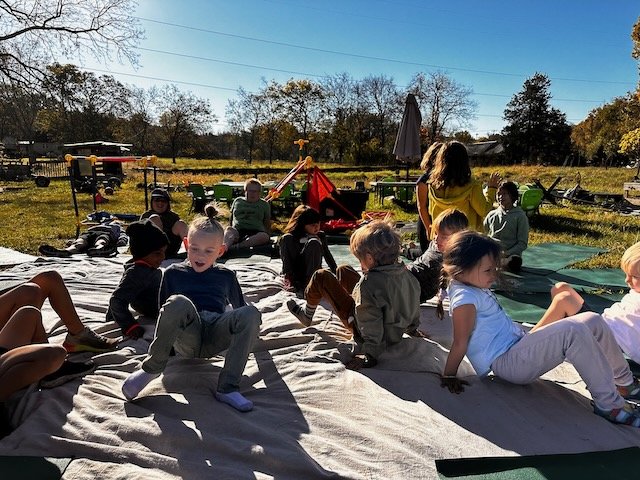
9:00 – 9:30 Morning Gathering & Skills Practice – Greetings, community circle, seasonal observations, and hands-on skill building: gardening, survival skills, meteorological measurements, stewardship tasks.
9:30 – 10:00Presentation & Topic Introduction – Nature study, science concepts, natural history, guest presentations, demonstrations.
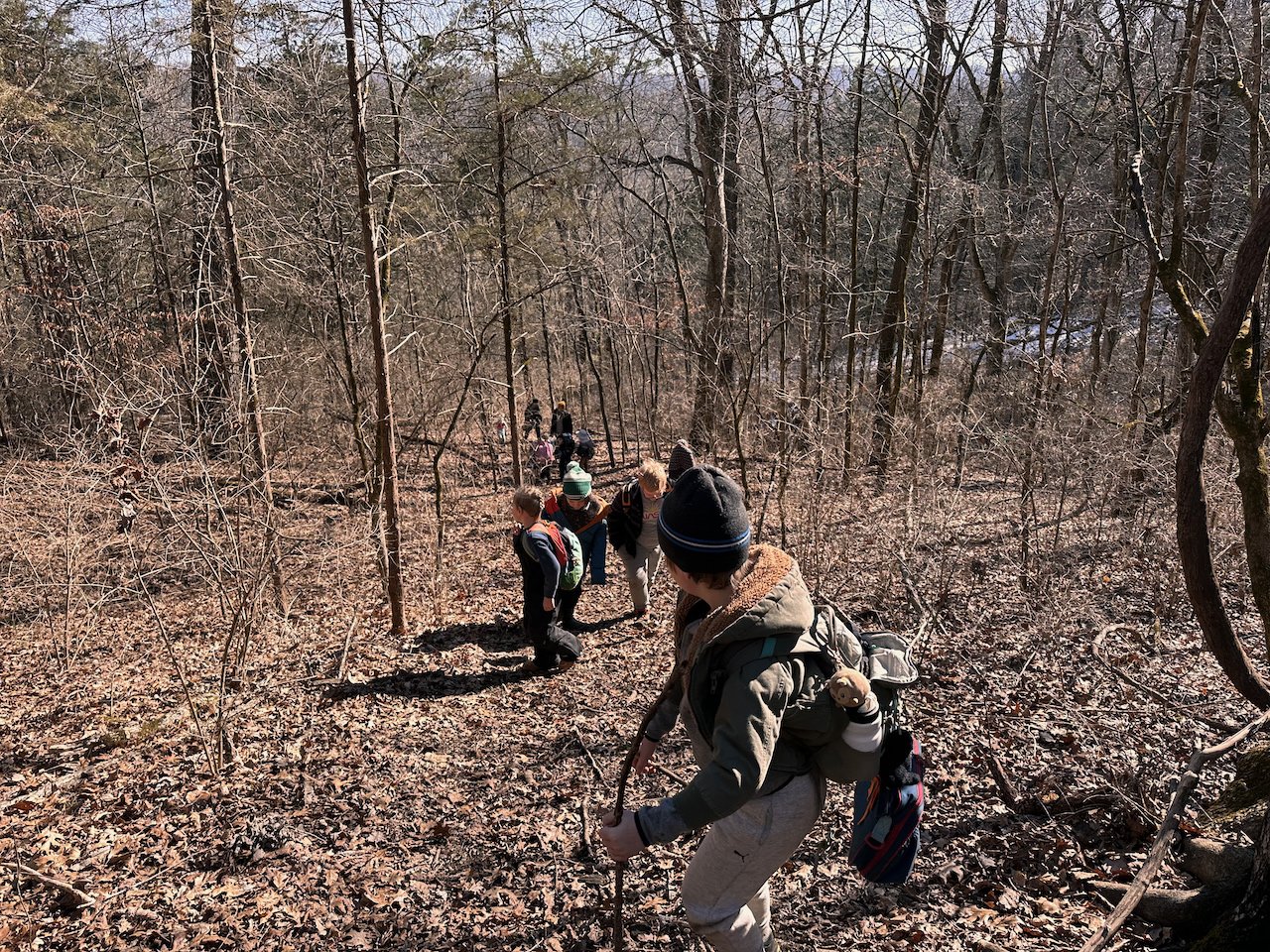
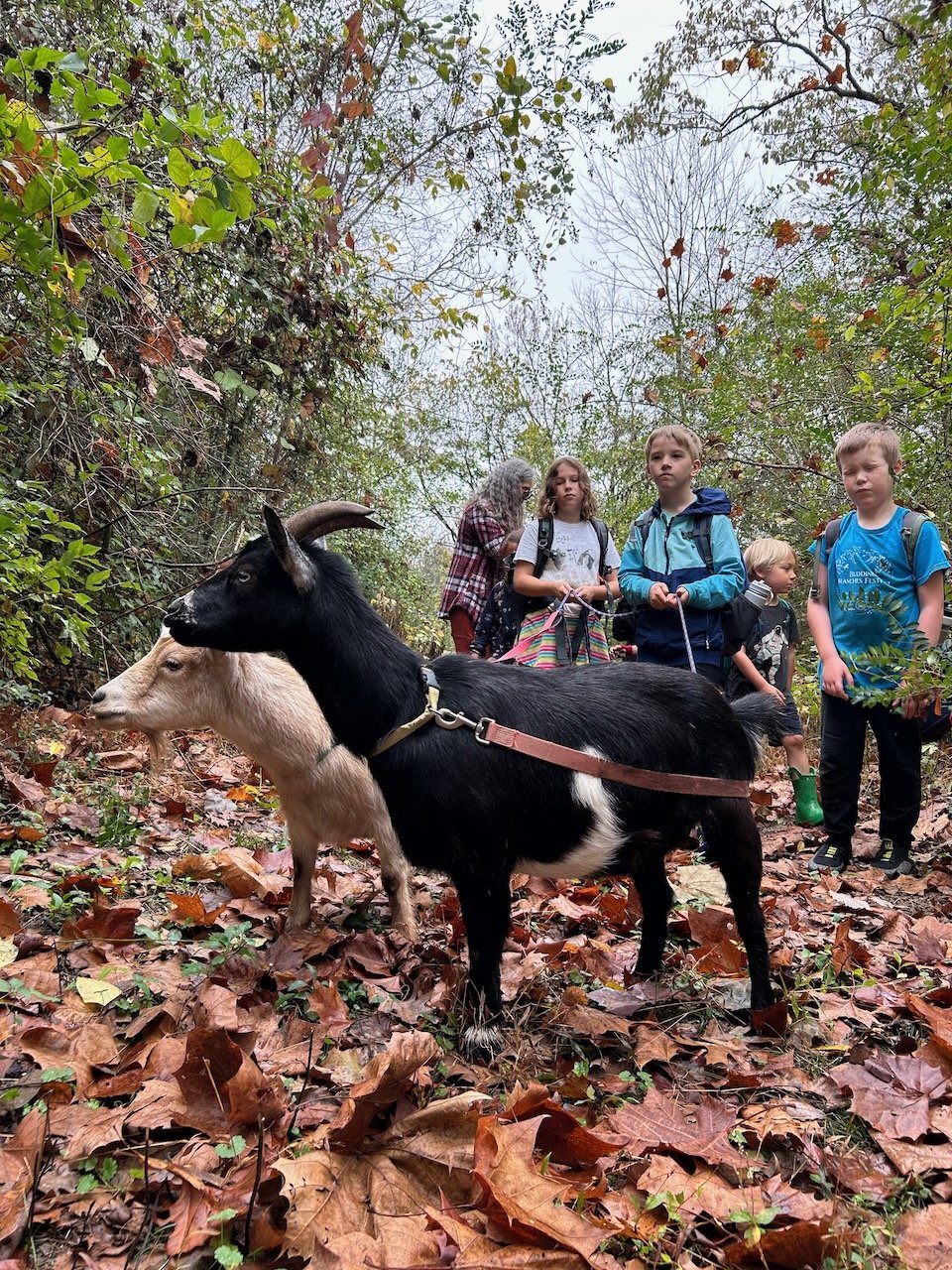
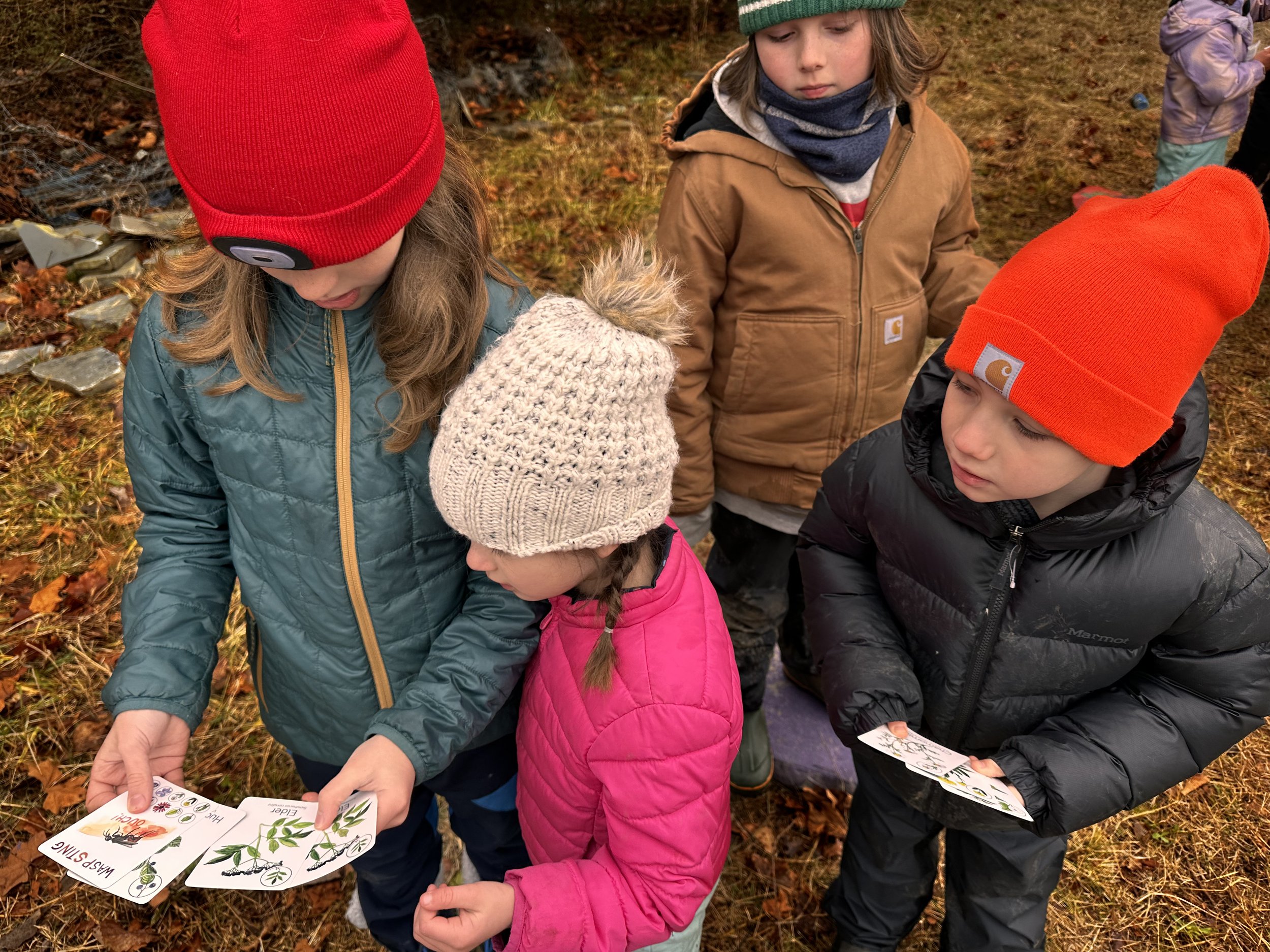
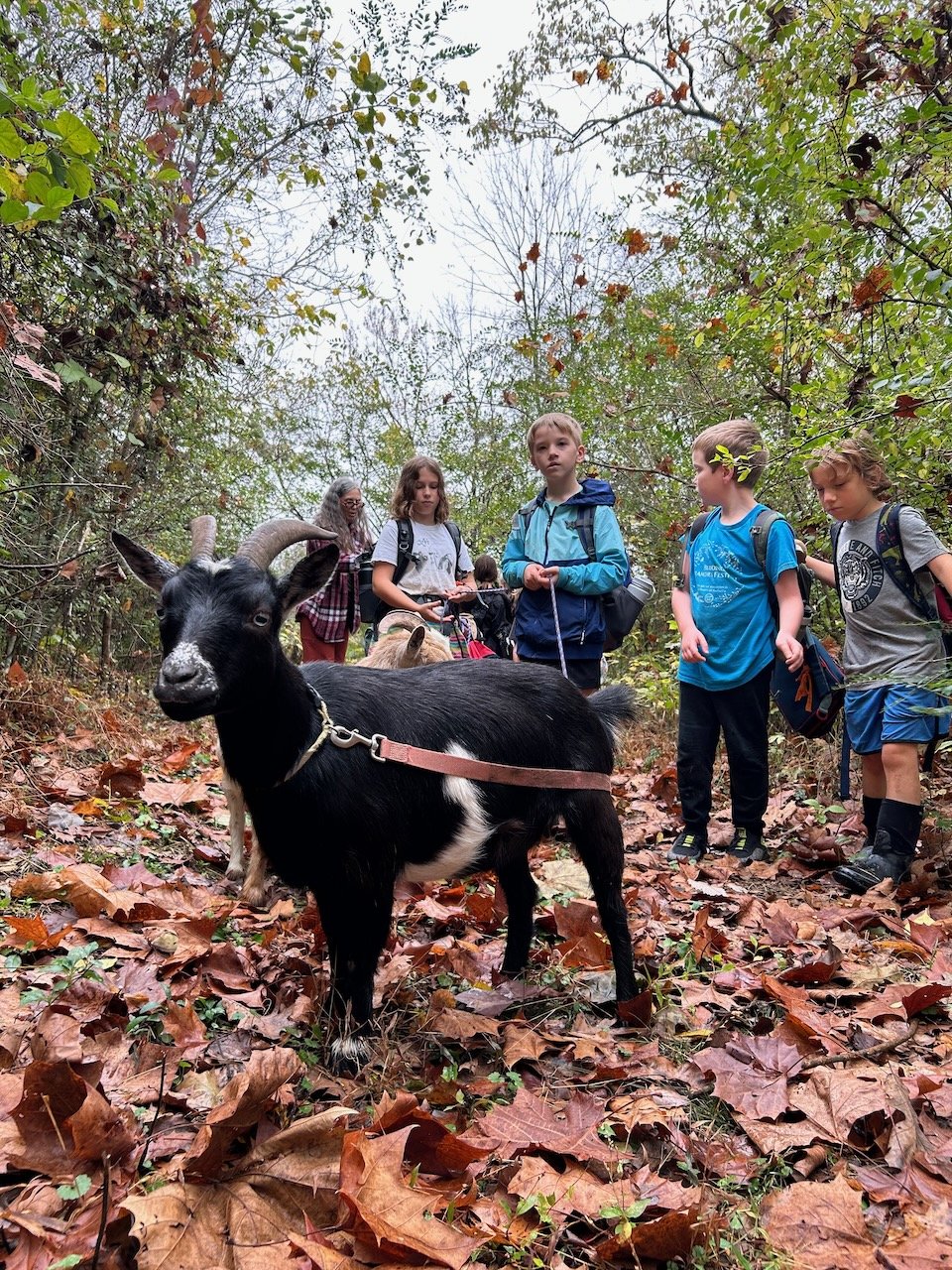
10:00 – 11:00 Field Exploration & Discovery – Hiking, wildlife observation, species identification, foraging, navigation, ecological investigations, biodiversity surveys, scavenger hunts, and outdoor challenges.
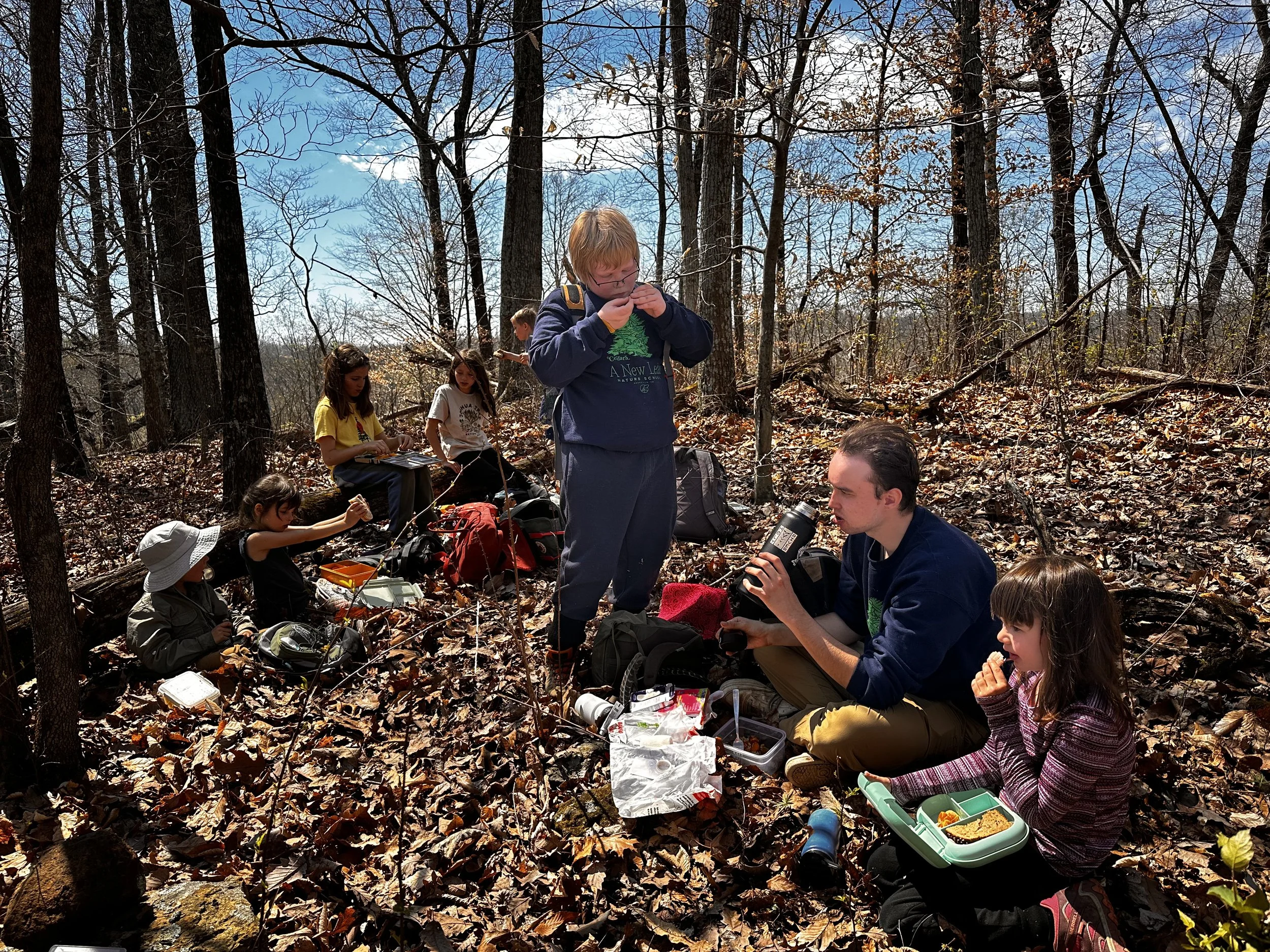
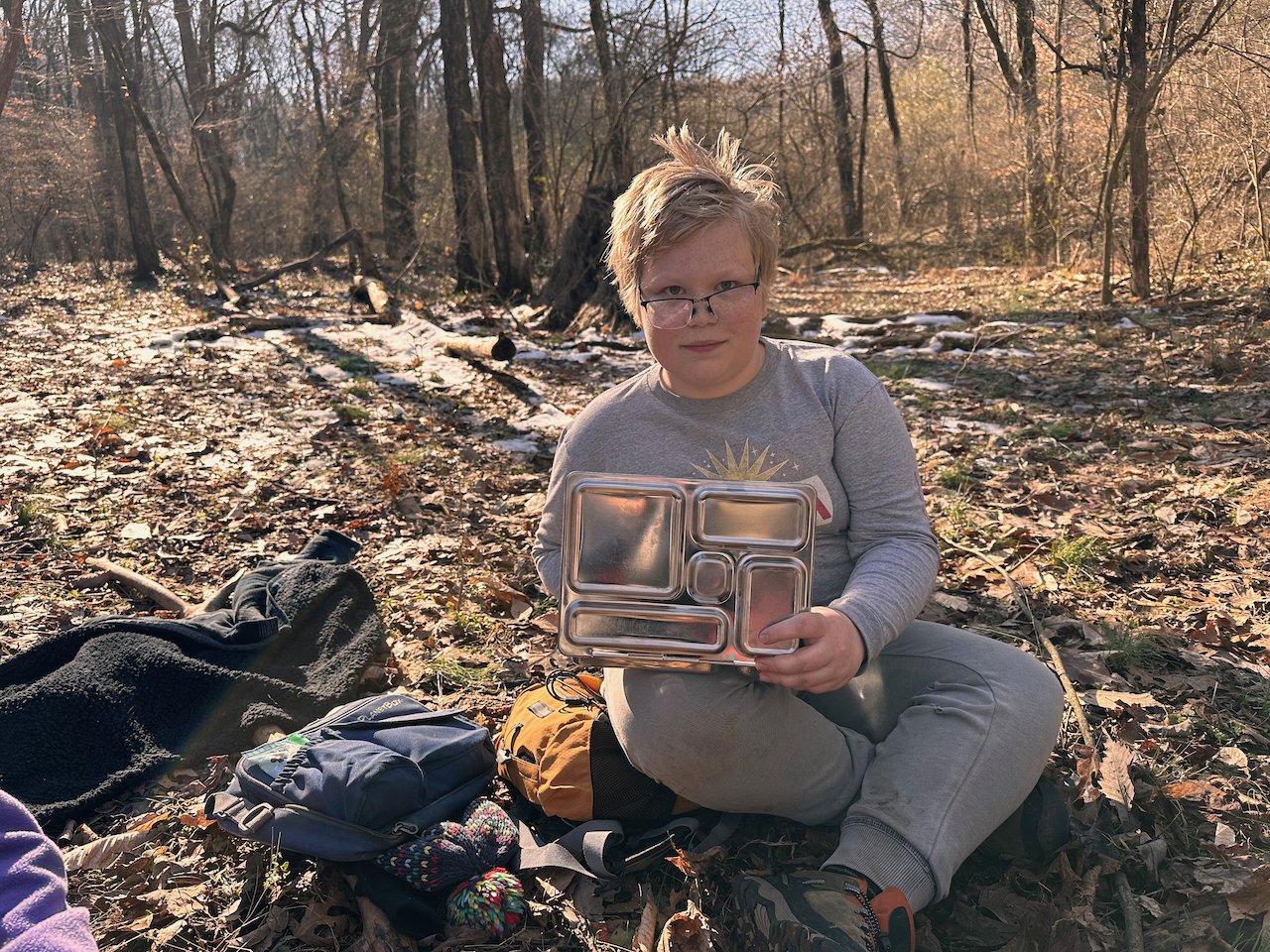
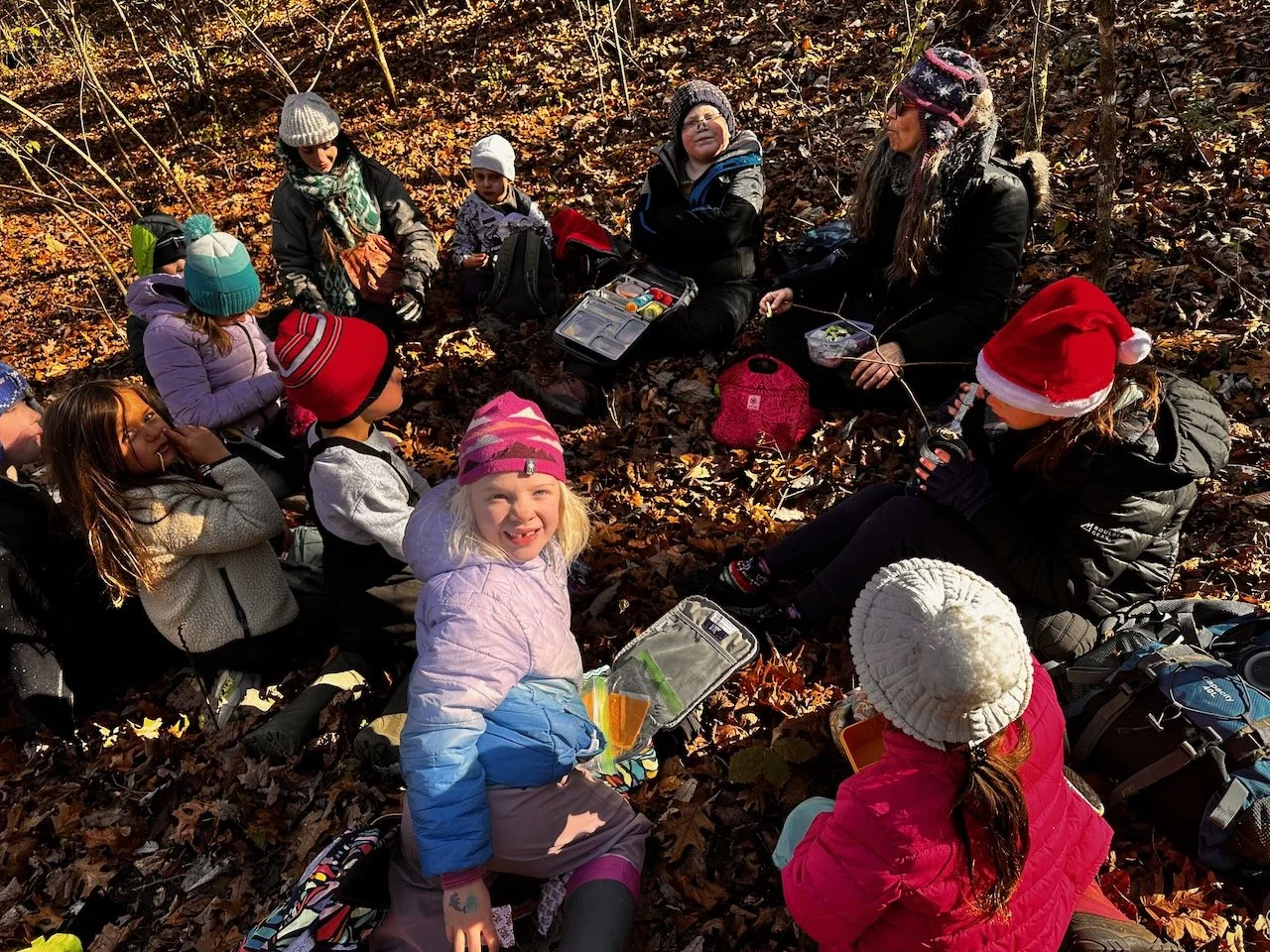
11:00 – 11:30 Lunch
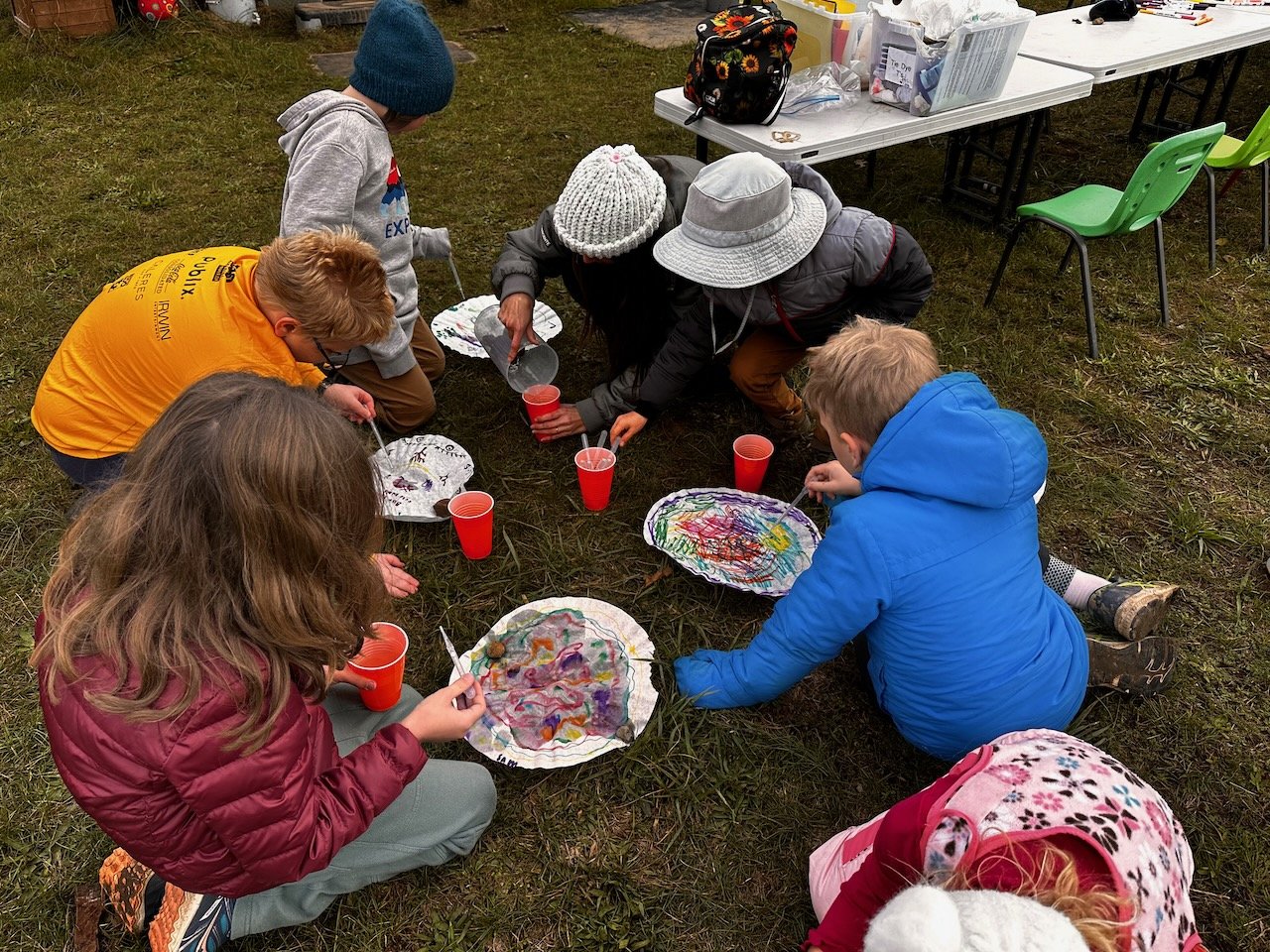
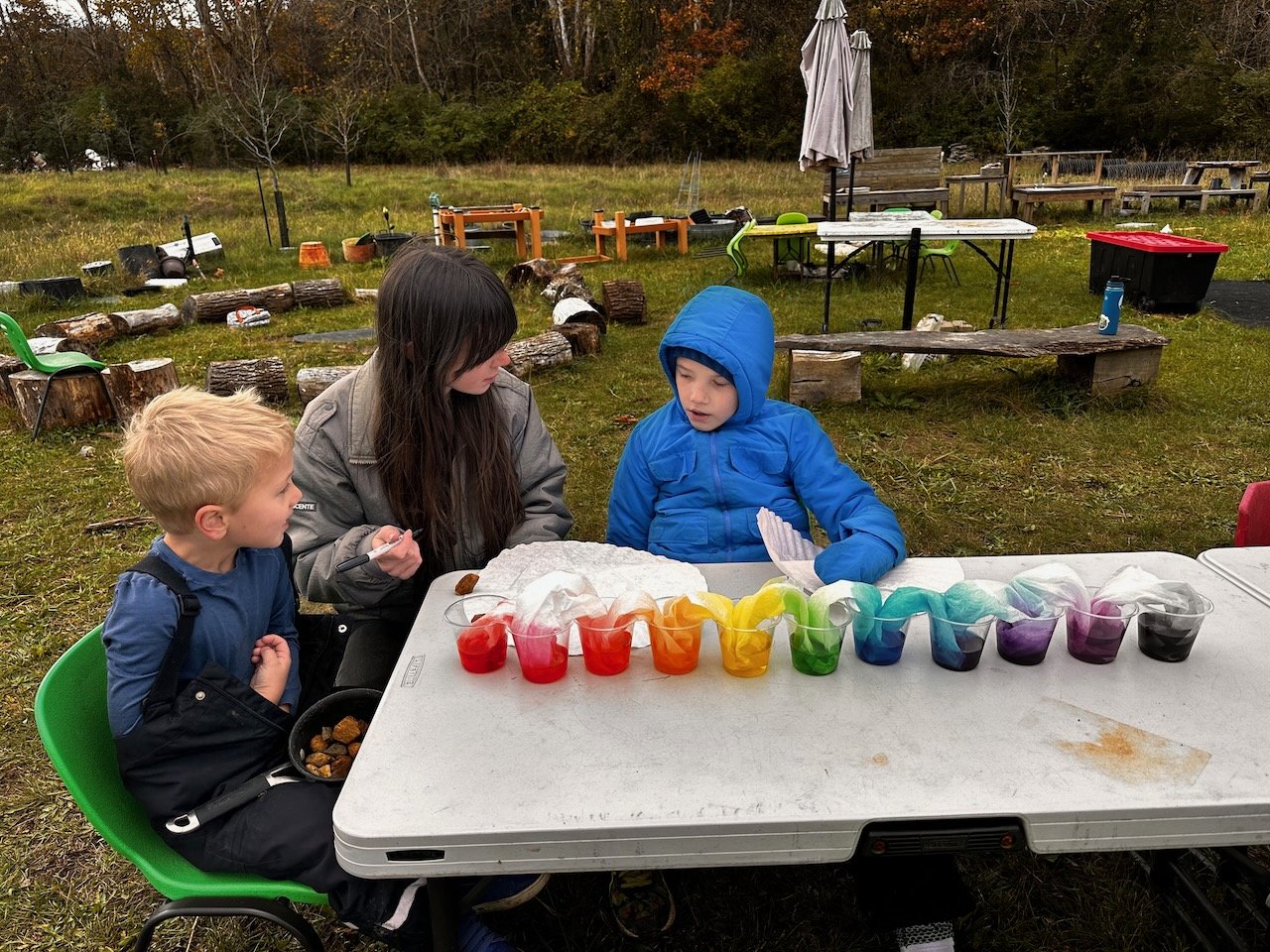
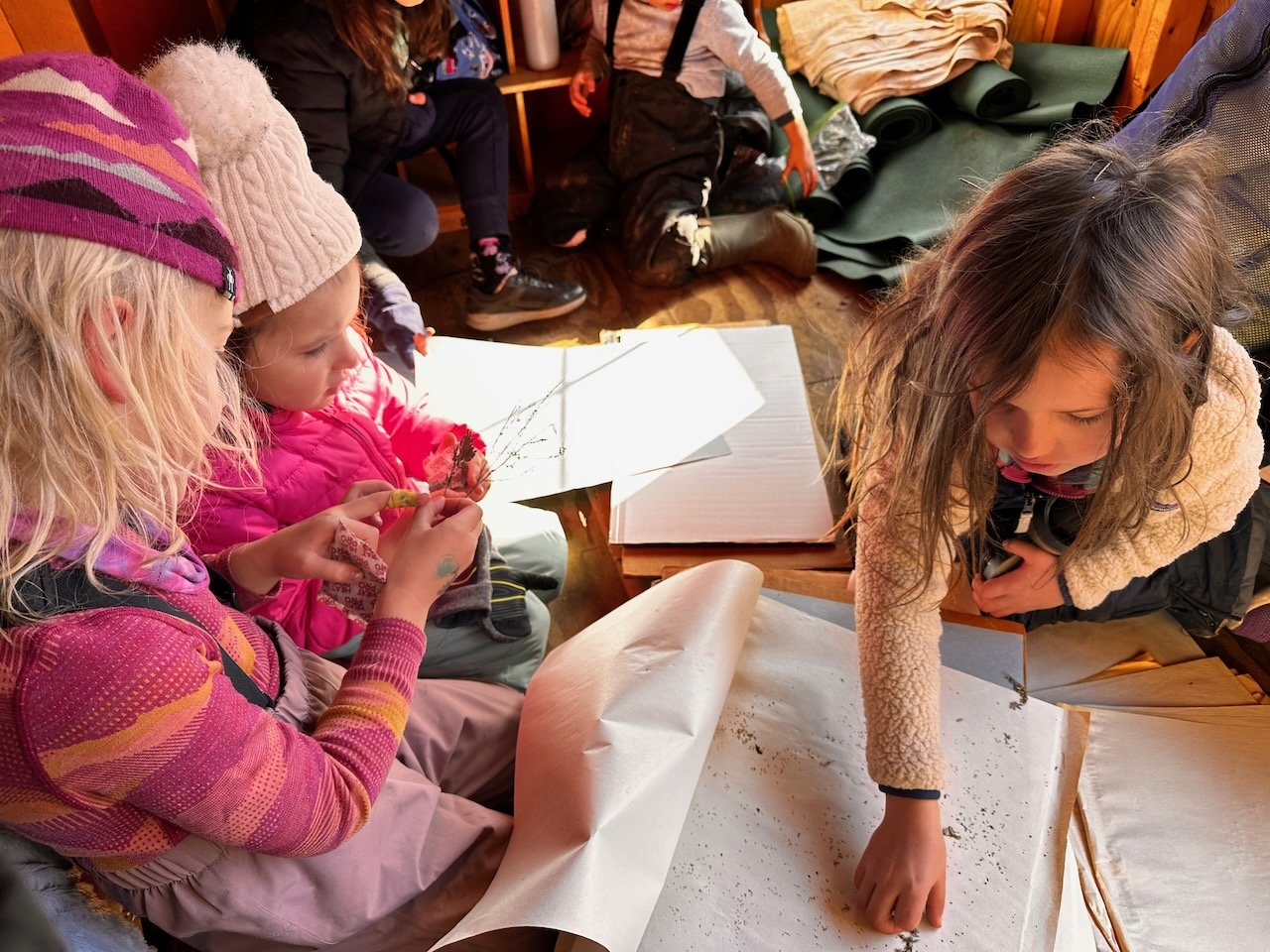
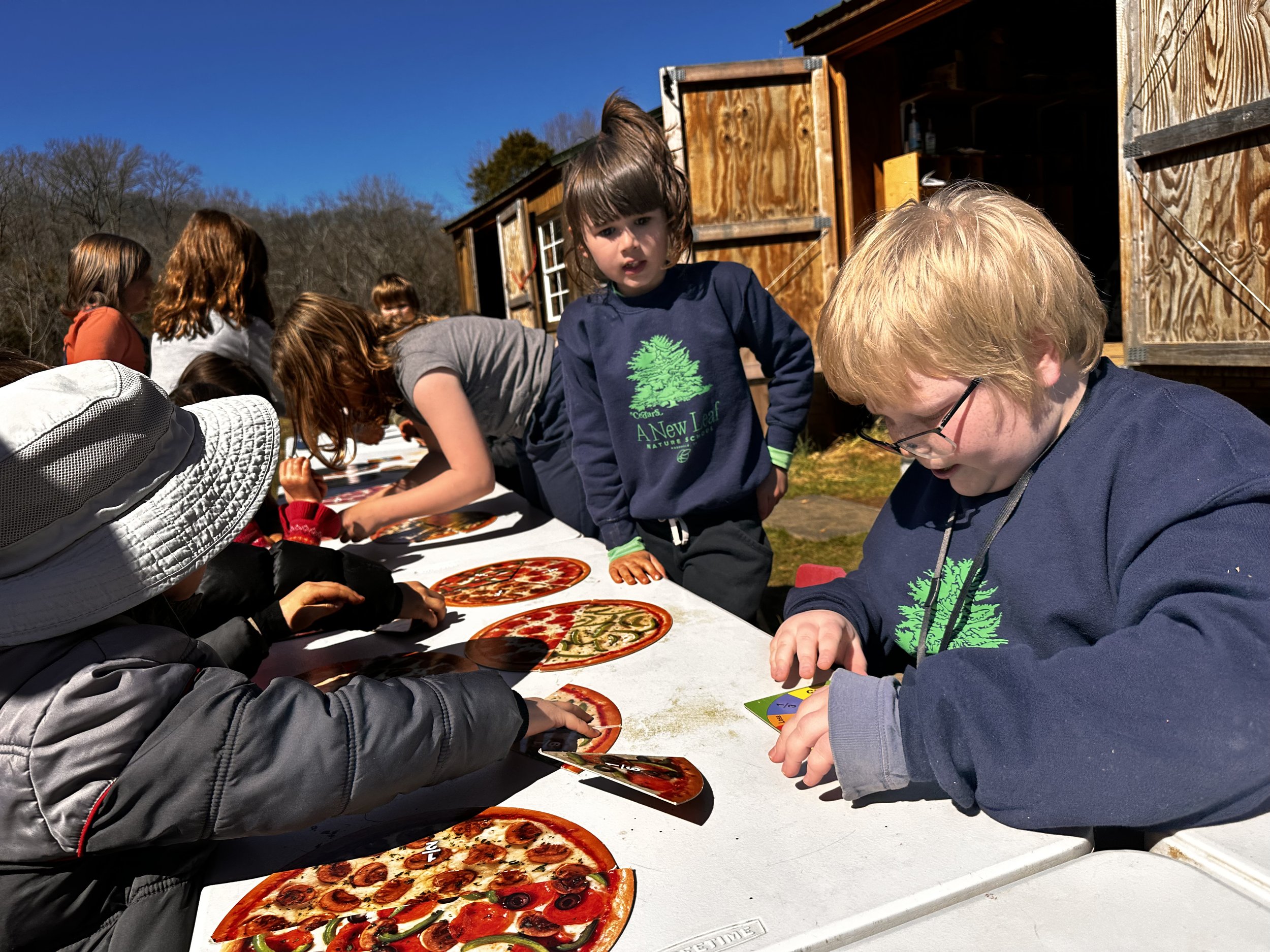
11:30 – 1:30 Focused Study, Investigation & Projects– Ecology, geology, botany, zoology, Arboretum development, gardening, food forest projects, experiments, construction, traditional skills, photography, mapping, and more.
1:30 – 2:00Base Camp Reflection & Creative Expression – Nature journaling, art, museum collections, sculpture, storytelling, photography review, and group reflection.


Biology
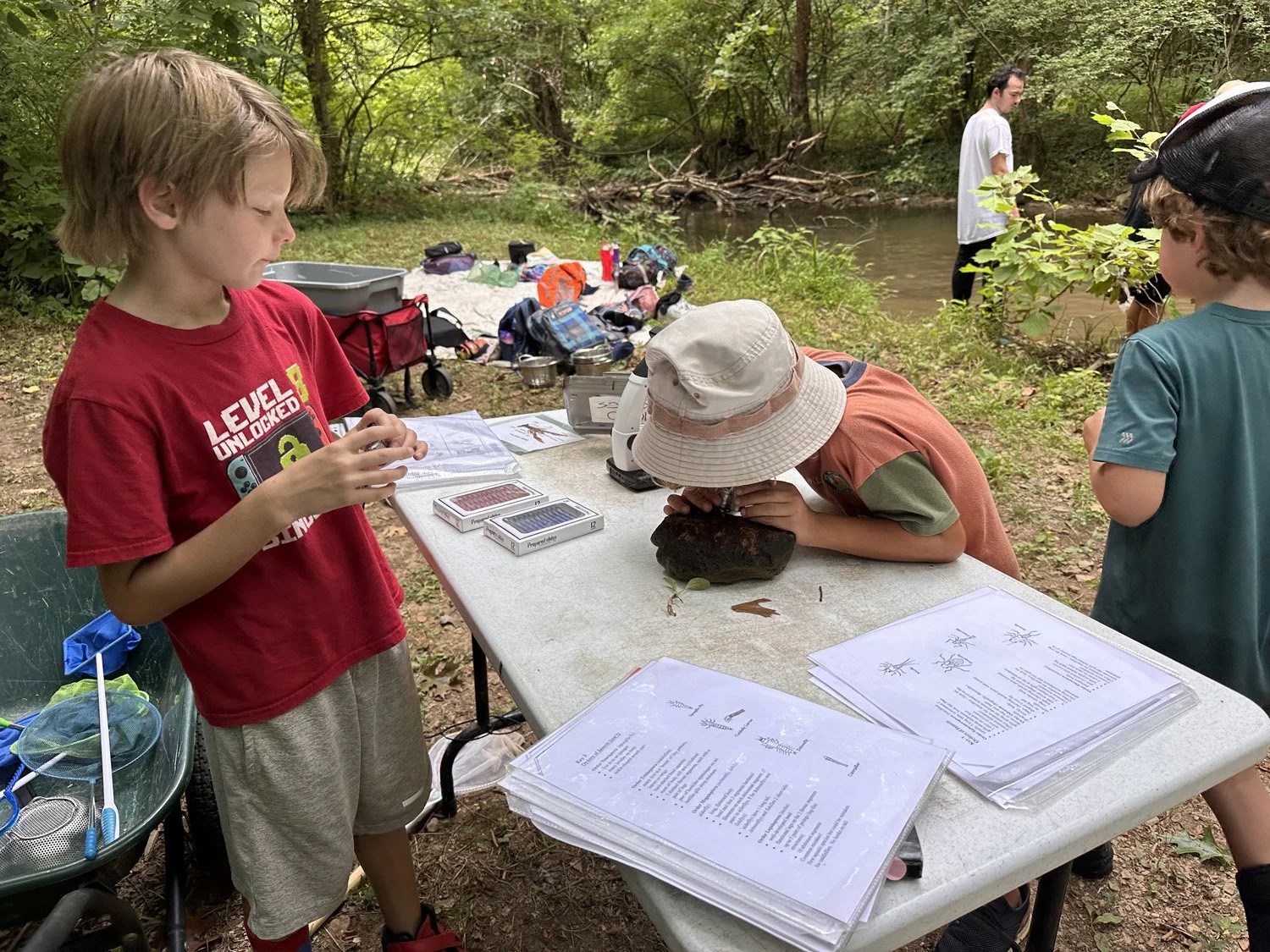
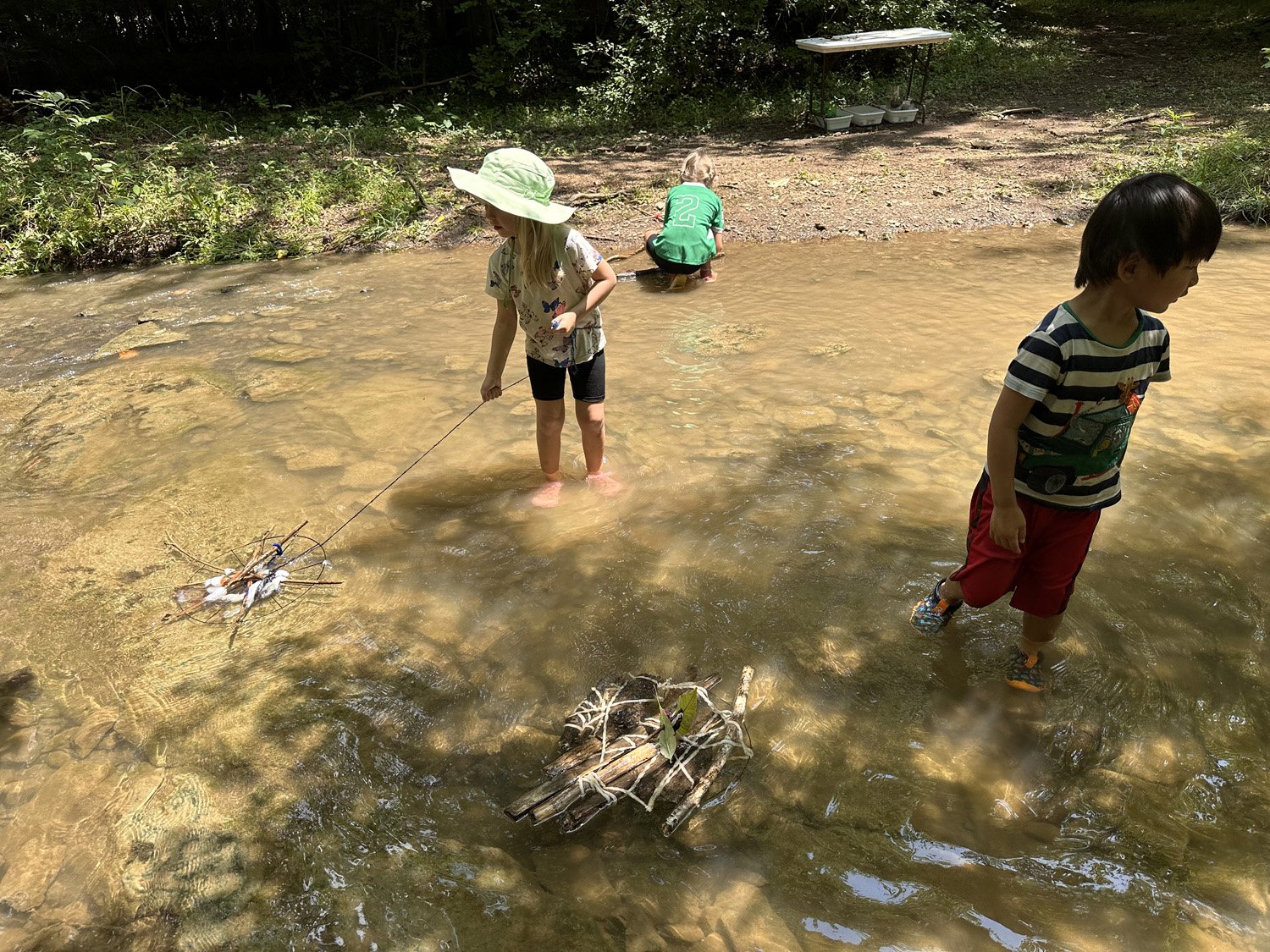
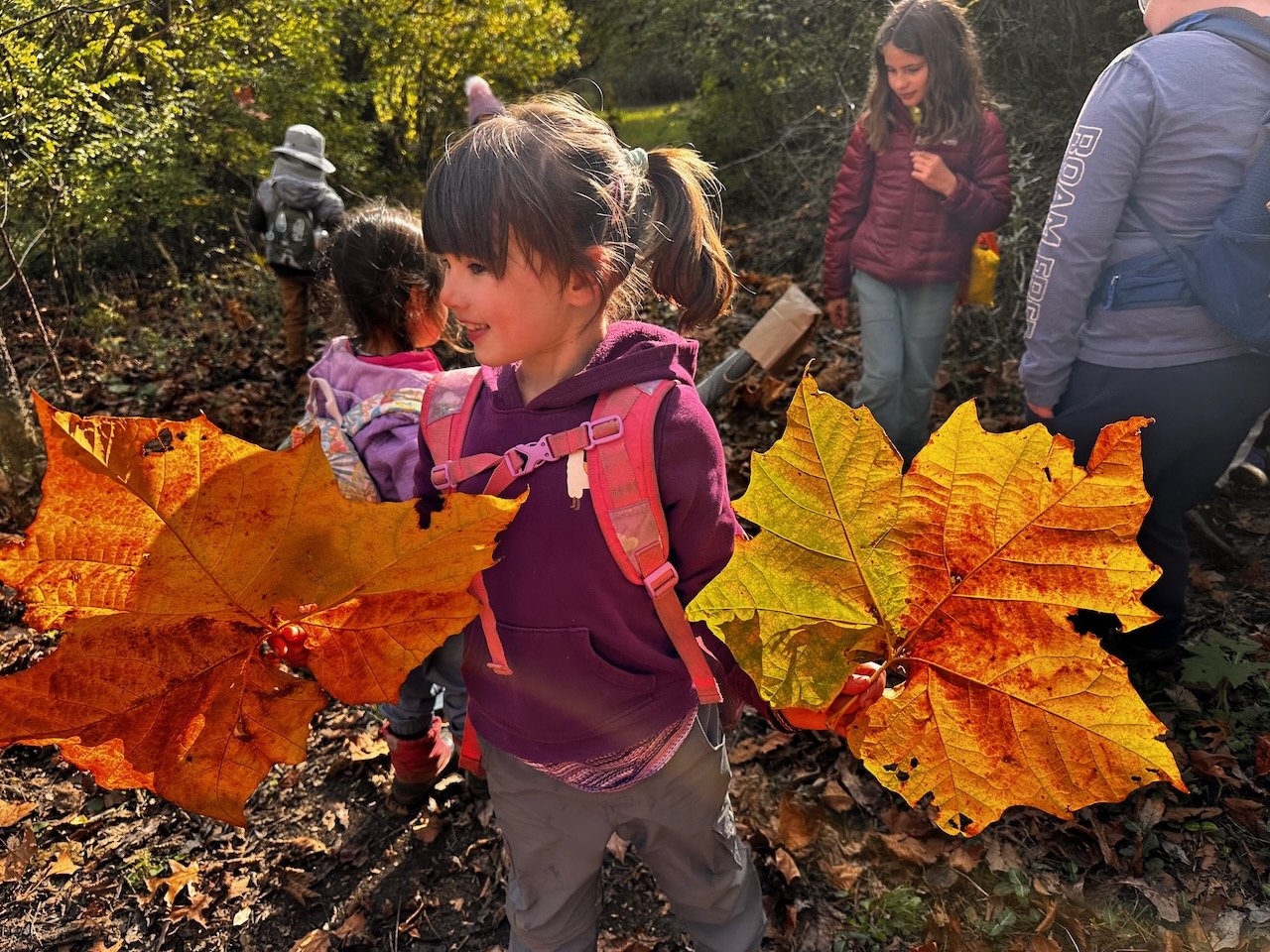
As we navigate the landscape, children learn to recognize trees and birds, forage for edible plants, and safely capture and release a variety of creatures, including crustaceans, mollusks, amphibians, fish, and insects.
Ecology
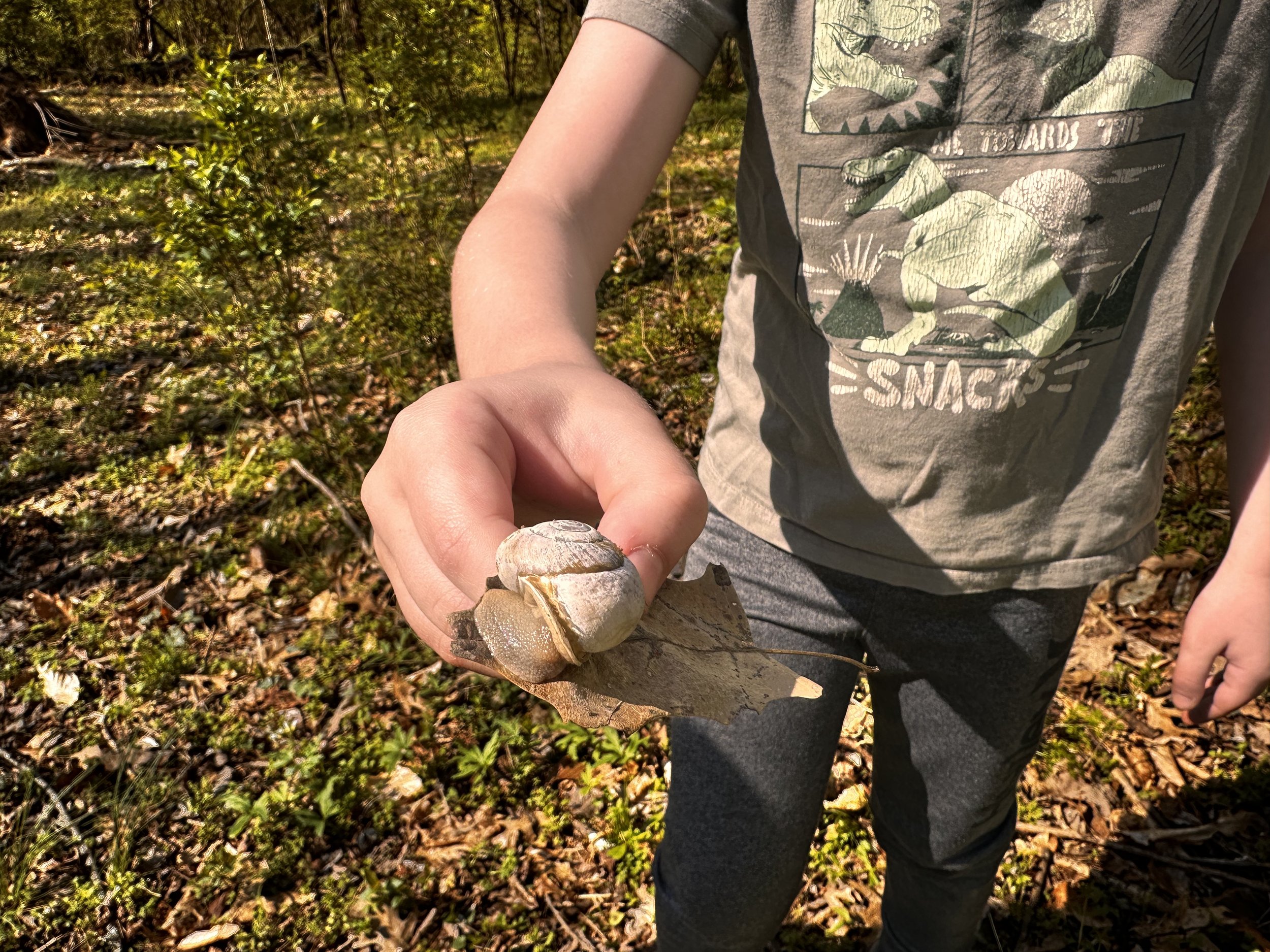
While studying forest and creek ecosystems, students measure abiotic factors such as temperature, pH, and water flow, uncovering the intricate relationships between organisms and their environment.

Research
Experimentation leads to a review of the literature and the making of models. Students design their own projects, formulating research questions, and developing investigative protocols. Students research and expand on their projects at home, returning with insights to share with the group.
Connection
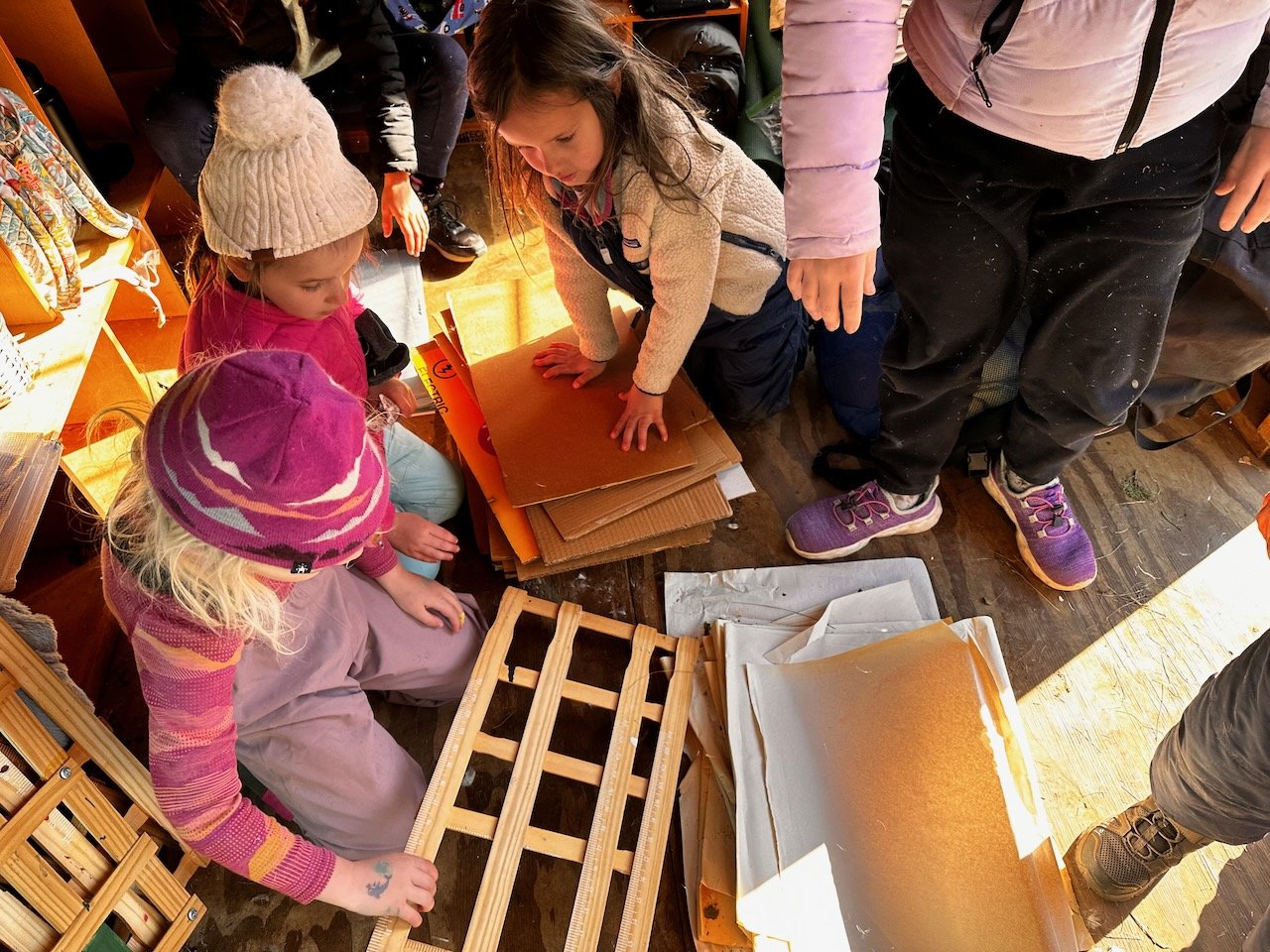
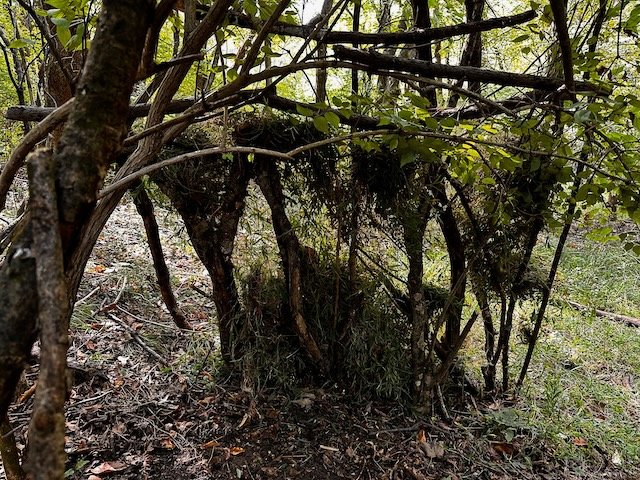
Through practical skills like shelter-building or rope making, and constructing wildlife observation blinds, they deepen their connection with their friends and the environment along with developing many skills, stamina, and strength.

here you Belong
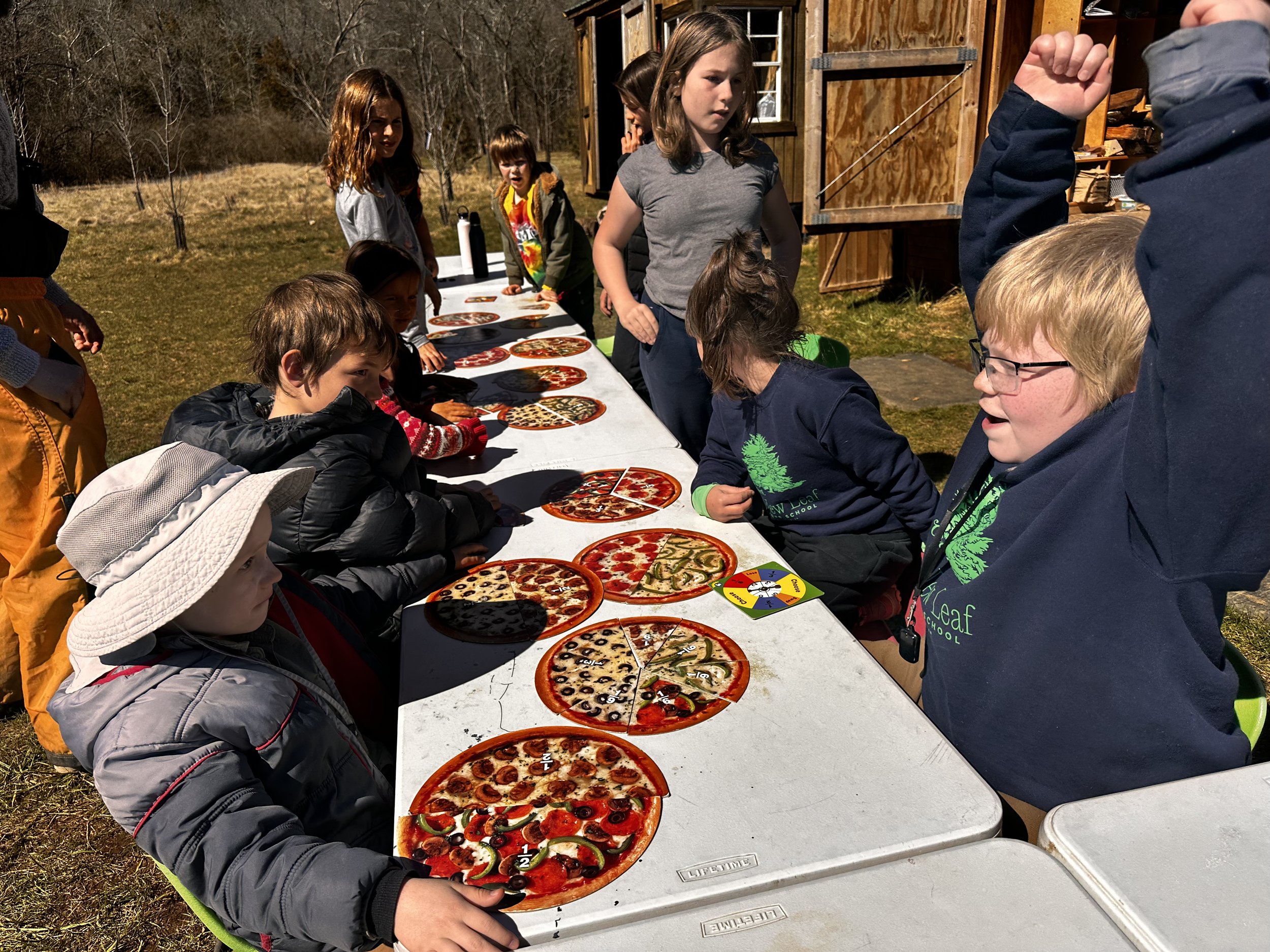
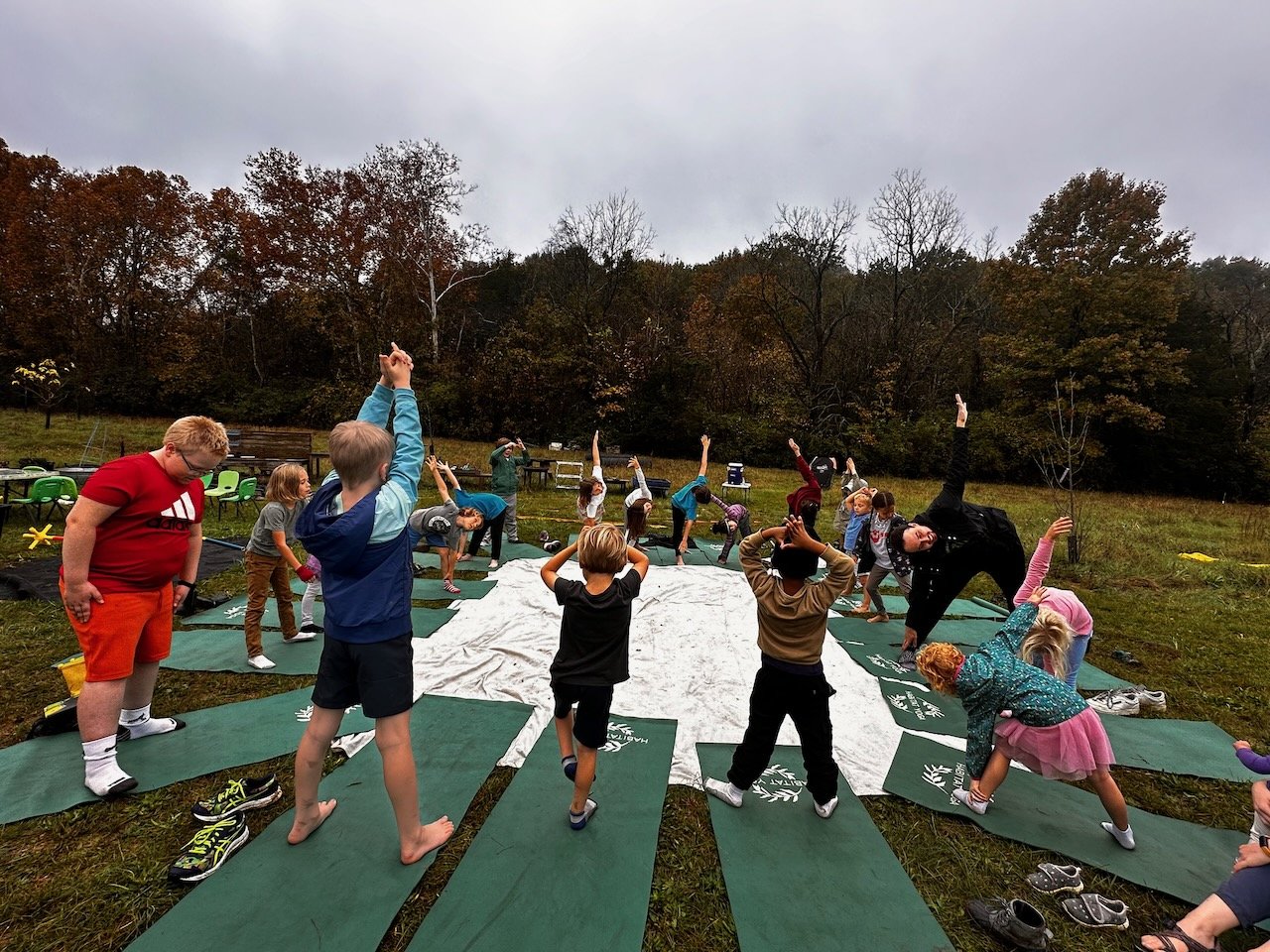
Beyond discovery, this program fosters teamwork, resilience, and a sense of belonging.

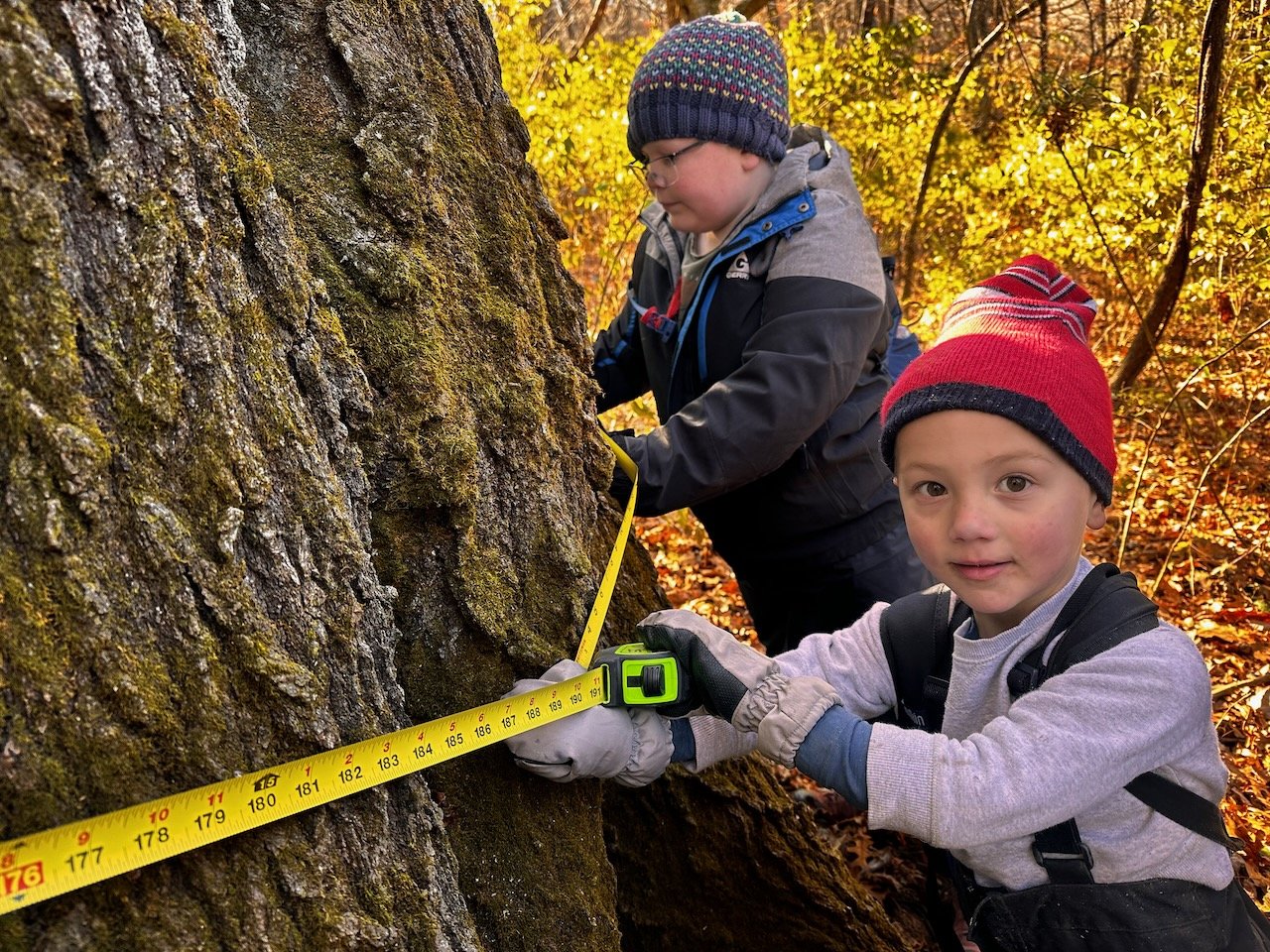
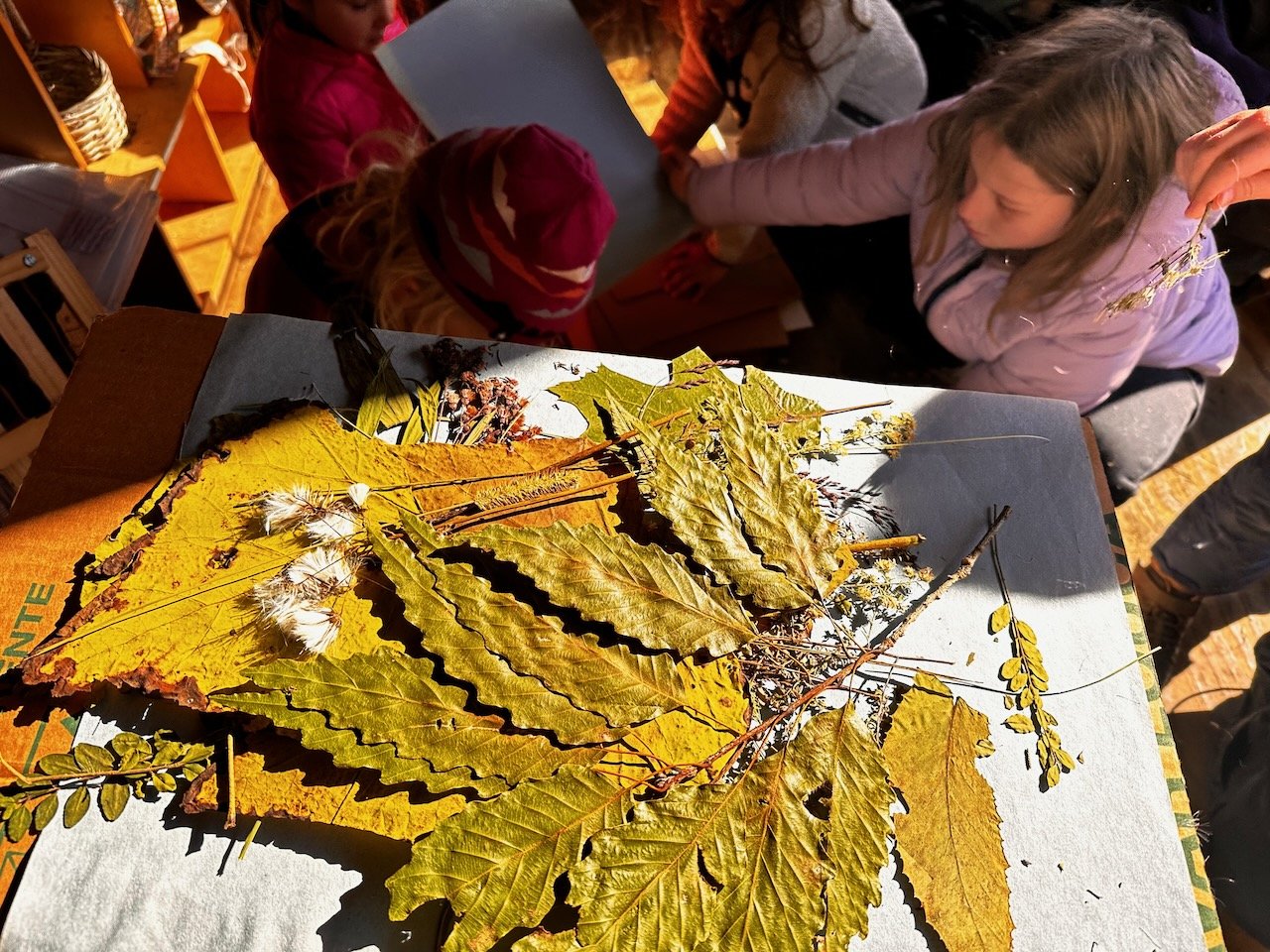
Stewardship
By nurturing curiosity, wellbeing, and environmental awareness, we cultivate a foundation for lifelong stewardship, ensuring that a childhood spent in wonder leads to an adulthood dedicated to caring for the natural world.